


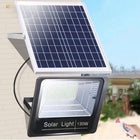


How to Choose Motion Sensor Solar Lights
Motion sensing is most useful when brighter light is needed around activity rather than at full output all night. Compare where people or vehicles approach, the sensor pattern, mounting height, standby behavior, triggered brightness, and solar-panel exposure.
Best for Doors and Garage Entrances
The 112 LED Solar Wall Light with Motion Sensor is suited to entrances and access points where automatic activation is the main requirement. Position the sensor to see the normal approach route without aiming it toward unnecessary movement zones.
Best for Porch and Patio Entrances
For a wall-sconce format with higher stated output, compare the Elegant 1400LM Solar Wall Sconce. This type of fixture combines an architectural wall-light appearance with motion-focused operation.
Best for Adjustable Wall-Light Output
The 450–1100 Lumen Solar LED Wall Light provides another motion-sensor option for doors, patios, walls, and garage approaches. Compare its available variants and modes on the product page before selecting a configuration.
Compare Motion Sensor Behaviors
Some solar lights remain off until motion is detected, some keep a dim standby level, and others provide several selectable operating modes. These behaviors affect both nighttime appearance and energy use, so check the specific product mode rather than assuming all motion-sensor lights operate the same way.
Mounting Height, Approach Direction, and Solar Exposure
Sensor performance can change with mounting height, approach direction, obstacles, temperature, and surrounding movement. At the same time, the solar panel needs useful daylight. Choose a position that balances detection coverage with charging conditions instead of optimizing only one of them.
When Motion Sensing Is Better Than Dusk-to-Dawn
Choose motion sensing for doors, garages, side yards, and security zones where high brightness is mainly needed during activity. Choose dusk-to-dawn lighting when steady all-night visibility is more important. A mixed property can use both approaches in different zones.
Related Motion and Security Categories
For broader wall-mounted choices, browse Solar Wall Lights. For wider high-output coverage, see Solar Flood & Security Lights. For garages and outbuildings, browse Solar Lights for Shed & Garage. For fixtures with easier mode access from a distance, see Remote Control Solar Lights. For larger properties, browse High-Lumen Solar Lights for Large Yards & Driveways.