Timer-controlled solar pendant and patio lights illuminating a covered outdoor seating area and backyard workshop at night Timer-controlled solar pendant and patio lights illuminating a covered outdoor seating area and backyard workshop at night
Filter

    When a Timer Is More Useful Than Dusk-to-Dawn

    A timer is useful when you know how long the light is needed—for example during evening patio use, decorative lighting or a work session in a shed. Limiting active time can also reduce unnecessary battery use compared with continuous operation.

    Check How the Timer Is Controlled

    Review whether the timer is set by remote control or directly on the fixture, how the countdown works and what mode the light enters after the timed period ends. Timer behavior varies between products.

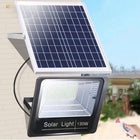
    Remote Control Solar Lights for easier mode and timer adjustment.

    Solar Lights for Shed & Garage for indoor or covered utility spaces.

    FAQ

    • Choose the COB rope system for a measured decorative outline, the split pendant for a shed interior, a separate-panel spotlight for a focused target, and a flood or commercial-style fixture for broader exterior lighting. Compare the timer choices on the exact product; they are not identical across the collection.
    • A timer is better when you want predictable light for a fixed evening period, such as patio use, a storefront-style area, or decorative rope lighting. Motion is better when activity is occasional and conserving battery is the priority. Some products combine modes, but verify the selected variant’s controls.
    • Choose the shortest period that covers the actual use window. A two- or three-hour setting may suit early-evening activity, while a longer setting uses more stored energy and may reduce reserve after cloudy weather. Available durations differ by model, so follow the specific control instructions.
    • Yes. Higher brightness draws more power, so the light may have less energy reserve even when the timer setting is unchanged. Solar input, battery capacity, temperature, and product load—especially rope length or flood output—also affect whether the planned period can be completed.
    • Use the instructions and variant details supplied for the exact model you receive, and contact support before installation if they conflict. Do not assume timer values from another product in this collection. The controls can differ between spotlight, pendant, wall, flood, and rope-light variants.
    • After charging or dusk activation, a timer limits how long the selected mode runs. Available durations vary by product.
    • This depends on the model. Some begin immediately, while others apply after automatic nighttime activation.
    • Some products repeat a saved schedule, while others require reselection after power loss or main-switch shutdown.
    • Some products combine them, while others treat timer and motion as separate modes. Confirm the selected model.
    • A shorter schedule, lower brightness, or motion mode normally conserves more charge.
    • The battery may be undercharged, the selected mode may consume more power, or the timer may have reset.
    • Fully charge the light, test after dark, select a duration, record the start time, and confirm shutoff before relying on the schedule.