


Hardwired Outdoor LED Bollard Light – 7W, IP65, 3 Heights
Guide paths and frame entrances
Hardwired · Die-cast aluminum
$108.99 /
itemRegular price $135.99
Choose options
 Solar Mushroom & Jellyfish LED Garden Stake Lights | Warm White or RGB, 6/8/10 Branches, 27.6 in (70 cm), IP65, Auto On/Off
 Classic
Outdoor Solar Motion Sensor Wall Light | Aluminum Housing, 450–1,100 Lumens, IP65
 Hot
Adjustable Solar Tree Spotlight | 180 Lumens, 5°–90° Beam, Up to 10 m Reach | For Trees, Statues & Landscape Accents
 Solar COB Rope Light Kit – Outdoor LED Strip, 16.4–164 ft, IP65
 Classic
Hardwired Outdoor LED Bollard Light – 7W, IP65, 3 Heights
Hot
Adjustable Solar Tree Spotlight | 180 Lumens, 5°–90° Beam, Up to 10 m Reach | For Trees, Statues & Landscape Accents
 Split-Design Solar Pendant Light | Up to 800 Lumens, 2700K–6000K Dimming, Separate Panel & 16.4 ft Cable | For Sheds & Garages
 Vintage Solar & USB Rechargeable Camping Lantern | 130 Lumens, 3000K–5000K, 3–6H Runtime
Classic
Outdoor Solar Motion Sensor Wall Light | Aluminum Housing, 450–1,100 Lumens, IP65
 Solar Radar Motion Sensor Wall & Pillar-Top Light | 1400 Lumens, 6000mAh, 4 Modes, IP65
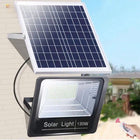 Outdoor Solar LED Floodlight with Separate Panel & Remote | 450–3,000 Lumens, IP67
 108 COB Outdoor Solar Sensor Street Lamp | 1500 Lumens | IP65 Waterproof With Remote Control | 3 Light Modes | for Garden Patio Path
Hot
Adjustable Solar Tree Spotlight | 180 Lumens, 5°–90° Beam, Up to 10 m Reach | For Trees, Statues & Landscape Accents
 50-Lumen Solar Pathway Lights – 2700K Warm White, IP65
 Classic
50-Lumen Adjustable Solar Pathway Lights | IP65, 25–60 cm | Warm or Cool White, 4–12 Pack
 Hot
8-LED Solar Disk Pathway Lights | IPX5, Dusk-to-Dawn, 4 or 8 Pack | For Garden Paths & Driveway Edges
Classic
Outdoor Solar Motion Sensor Wall Light | Aluminum Housing, 450–1,100 Lumens, IP65
 112-LED Solar Motion Sensor Wall Light | 120° PIR, 4 Modes, IP65 & 2200mAh | For Garages, Driveways & Entrances
Split-Design Solar Pendant Light | Up to 800 Lumens, 2700K–6000K Dimming, Separate Panel & 16.4 ft Cable | For Sheds & Garages
108 COB Outdoor Solar Sensor Street Lamp | 1500 Lumens | IP65 Waterproof With Remote Control | 3 Light Modes | for Garden Patio Path
 Commercial Solar Powered Flood Lights: Dual Panels, 8000 Lumens, 25000mAh Battery, Quick Charge, Auto Dusk-to-Dawn, Aluminum Garden Lighting.
Outdoor Solar LED Floodlight with Separate Panel & Remote | 450–3,000 Lumens, IP67
Split-Design Solar Pendant Light | Up to 800 Lumens, 2700K–6000K Dimming, Separate Panel & 16.4 ft Cable | For Sheds & Garages
Solar COB Rope Light Kit – Outdoor LED Strip, 16.4–164 ft, IP65
Outdoor Solar LED Floodlight with Separate Panel & Remote | 450–3,000 Lumens, IP67
 Classic
Intense Remote Operated Flood Light | 4000 ~ 6000 Lumens | Automatic Dusk to Dawn | For Garage Garden Courtyard Roof
Solar COB Rope Light Kit – Outdoor LED Strip, 16.4–164 ft, IP65
Split-Design Solar Pendant Light | Up to 800 Lumens, 2700K–6000K Dimming, Separate Panel & 16.4 ft Cable | For Sheds & Garages
Hot
Adjustable Solar Tree Spotlight | 180 Lumens, 5°–90° Beam, Up to 10 m Reach | For Trees, Statues & Landscape Accents
112-LED Solar Motion Sensor Wall Light | 120° PIR, 4 Modes, IP65 & 2200mAh | For Garages, Driveways & Entrances
Vintage Solar & USB Rechargeable Camping Lantern | 130 Lumens, 3000K–5000K, 3–6H Runtime
 Hot
Solar Fence Lights with RGB & Warm White | 60 Lumens, IP65, Dusk-to-Dawn | 4–12 Pack for Fence, Deck & Patio
Classic
Hardwired Outdoor LED Bollard Light – 7W, IP65, 3 Heights
Hot
Adjustable Solar Tree Spotlight | 180 Lumens, 5°–90° Beam, Up to 10 m Reach | For Trees, Statues & Landscape Accents
Split-Design Solar Pendant Light | Up to 800 Lumens, 2700K–6000K Dimming, Separate Panel & 16.4 ft Cable | For Sheds & Garages
Vintage Solar & USB Rechargeable Camping Lantern | 130 Lumens, 3000K–5000K, 3–6H Runtime
Classic
Outdoor Solar Motion Sensor Wall Light | Aluminum Housing, 450–1,100 Lumens, IP65
Solar Radar Motion Sensor Wall & Pillar-Top Light | 1400 Lumens, 6000mAh, 4 Modes, IP65
Outdoor Solar LED Floodlight with Separate Panel & Remote | 450–3,000 Lumens, IP67
108 COB Outdoor Solar Sensor Street Lamp | 1500 Lumens | IP65 Waterproof With Remote Control | 3 Light Modes | for Garden Patio Path
Classic
Hardwired Outdoor LED Bollard Light – 7W, IP65, 3 Heights
Hot
Adjustable Solar Tree Spotlight | 180 Lumens, 5°–90° Beam, Up to 10 m Reach | For Trees, Statues & Landscape Accents
 Long Outdoor LED Wall Light – Fixed Color or Remote Dimmable
Classic
Outdoor Solar Motion Sensor Wall Light | Aluminum Housing, 450–1,100 Lumens, IP65
Solar COB Rope Light Kit – Outdoor LED Strip, 16.4–164 ft, IP65
 Commercial Solar Lighting | 720LED 6000 Lumens With 6800mAh Battery & Built-in Solar Panel | Remote-Controlled Lamp for Yard/Garden
Commercial Solar Powered Flood Lights: Dual Panels, 8000 Lumens, 25000mAh Battery, Quick Charge, Auto Dusk-to-Dawn, Aluminum Garden Lighting.
Classic
Intense Remote Operated Flood Light | 4000 ~ 6000 Lumens | Automatic Dusk to Dawn | For Garage Garden Courtyard Roof
Solar Mushroom & Jellyfish LED Garden Stake Lights | Warm White or RGB, 6/8/10 Branches, 27.6 in (70 cm), IP65, Auto On/Off
 Solar Delphinium Flower Lights – 27-Inch IPX5 Garden Stakes, 8–12H | 4/8/12-Pack
Hot
8-LED Solar Disk Pathway Lights | IPX5, Dusk-to-Dawn, 4 or 8 Pack | For Garden Paths & Driveway Edges
 Mini House-Shaped Solar Pathway Lights Outdoor, 600mAh 6-8H Warm White LED Solar Powered Lights for Yard, Lawn, Path
Classic
Outdoor Solar Motion Sensor Wall Light | Aluminum Housing, 450–1,100 Lumens, IP65
50-Lumen Solar Pathway Lights – 2700K Warm White, IP65
Outdoor Solar LED Floodlight with Separate Panel & Remote | 450–3,000 Lumens, IP67
Classic
50-Lumen Adjustable Solar Pathway Lights | IP65, 25–60 cm | Warm or Cool White, 4–12 Pack
Classic
Outdoor Solar Motion Sensor Wall Light | Aluminum Housing, 450–1,100 Lumens, IP65
Hot
Adjustable Solar Tree Spotlight | 180 Lumens, 5°–90° Beam, Up to 10 m Reach | For Trees, Statues & Landscape Accents
Outdoor Solar LED Floodlight with Separate Panel & Remote | 450–3,000 Lumens, IP67
 Solar Outdoor Waterproof Motion Sensor Lights | For Address Lights, Garden Wall, Patio, Street | Enhanced Security and Ambiance
Outdoor Solar LED Floodlight with Separate Panel & Remote | 450–3,000 Lumens, IP67
Classic
Intense Remote Operated Flood Light | 4000 ~ 6000 Lumens | Automatic Dusk to Dawn | For Garage Garden Courtyard Roof
Solar COB Rope Light Kit – Outdoor LED Strip, 16.4–164 ft, IP65
Split-Design Solar Pendant Light | Up to 800 Lumens, 2700K–6000K Dimming, Separate Panel & 16.4 ft Cable | For Sheds & Garages
Classic
Outdoor Solar Motion Sensor Wall Light | Aluminum Housing, 450–1,100 Lumens, IP65
Outdoor Solar LED Floodlight with Separate Panel & Remote | 450–3,000 Lumens, IP67
Classic
Intense Remote Operated Flood Light | 4000 ~ 6000 Lumens | Automatic Dusk to Dawn | For Garage Garden Courtyard Roof
Solar COB Rope Light Kit – Outdoor LED Strip, 16.4–164 ft, IP65
Classic
Intense Remote Operated Flood Light | 4000 ~ 6000 Lumens | Automatic Dusk to Dawn | For Garage Garden Courtyard Roof
Commercial Solar Powered Flood Lights: Dual Panels, 8000 Lumens, 25000mAh Battery, Quick Charge, Auto Dusk-to-Dawn, Aluminum Garden Lighting.
Commercial Solar Lighting | 720LED 6000 Lumens With 6800mAh Battery & Built-in Solar Panel | Remote-Controlled Lamp for Yard/Garden
Outdoor Solar LED Floodlight with Separate Panel & Remote | 450–3,000 Lumens, IP67
Classic
Outdoor Solar Motion Sensor Wall Light | Aluminum Housing, 450–1,100 Lumens, IP65
Hot
Adjustable Solar Tree Spotlight | 180 Lumens, 5°–90° Beam, Up to 10 m Reach | For Trees, Statues & Landscape Accents
Hot
Solar Fence Lights with RGB & Warm White | 60 Lumens, IP65, Dusk-to-Dawn | 4–12 Pack for Fence, Deck & Patio
Hot
8-LED Solar Disk Pathway Lights | IPX5, Dusk-to-Dawn, 4 or 8 Pack | For Garden Paths & Driveway Edges
 Classic
USB Rechargeable Motion Sensor Cabinet Light | 3 Color Temperatures
 Hardwired LED Bathroom Mirror Light | 8–18W, 40–100 cm | 3-Color or Cool White
 Hanging Magnetic Dimming Desk Lamp | Battery Powered With USB Charging | For Bedroom, Night Reading, Monitor lamp
Vintage Solar & USB Rechargeable Camping Lantern | 130 Lumens, 3000K–5000K, 3–6H Runtime


 Solar Mushroom & Jellyfish LED Garden Stake Lights | Warm White or RGB, 6/8/10 Branches, 27.6 in (70 cm), IP65, Auto On/Off
Classic
Outdoor Solar Motion Sensor Wall Light | Aluminum Housing, 450–1,100 Lumens, IP65
Hot
Adjustable Solar Tree Spotlight | 180 Lumens, 5°–90° Beam, Up to 10 m Reach | For Trees, Statues & Landscape Accents
Solar COB Rope Light Kit – Outdoor LED Strip, 16.4–164 ft, IP65
50-Lumen Solar Pathway Lights – 2700K Warm White, IP65
Hot
Solar Fence Lights with RGB & Warm White | 60 Lumens, IP65, Dusk-to-Dawn | 4–12 Pack for Fence, Deck & Patio
Outdoor Solar LED Floodlight with Separate Panel & Remote | 450–3,000 Lumens, IP67
Hot
8-LED Solar Disk Pathway Lights | IPX5, Dusk-to-Dawn, 4 or 8 Pack | For Garden Paths & Driveway Edges
Classic
Hardwired Outdoor LED Bollard Light – 7W, IP65, 3 Heights
Hot
Adjustable Solar Tree Spotlight | 180 Lumens, 5°–90° Beam, Up to 10 m Reach | For Trees, Statues & Landscape Accents
Split-Design Solar Pendant Light | Up to 800 Lumens, 2700K–6000K Dimming, Separate Panel & 16.4 ft Cable | For Sheds & Garages
Vintage Solar & USB Rechargeable Camping Lantern | 130 Lumens, 3000K–5000K, 3–6H Runtime
Classic
Outdoor Solar Motion Sensor Wall Light | Aluminum Housing, 450–1,100 Lumens, IP65
Solar Radar Motion Sensor Wall & Pillar-Top Light | 1400 Lumens, 6000mAh, 4 Modes, IP65
Outdoor Solar LED Floodlight with Separate Panel & Remote | 450–3,000 Lumens, IP67
108 COB Outdoor Solar Sensor Street Lamp | 1500 Lumens | IP65 Waterproof With Remote Control | 3 Light Modes | for Garden Patio Path
Hot
Adjustable Solar Tree Spotlight | 180 Lumens, 5°–90° Beam, Up to 10 m Reach | For Trees, Statues & Landscape Accents
50-Lumen Solar Pathway Lights – 2700K Warm White, IP65
Classic
50-Lumen Adjustable Solar Pathway Lights | IP65, 25–60 cm | Warm or Cool White, 4–12 Pack
Hot
8-LED Solar Disk Pathway Lights | IPX5, Dusk-to-Dawn, 4 or 8 Pack | For Garden Paths & Driveway Edges
Classic
Outdoor Solar Motion Sensor Wall Light | Aluminum Housing, 450–1,100 Lumens, IP65
112-LED Solar Motion Sensor Wall Light | 120° PIR, 4 Modes, IP65 & 2200mAh | For Garages, Driveways & Entrances
Split-Design Solar Pendant Light | Up to 800 Lumens, 2700K–6000K Dimming, Separate Panel & 16.4 ft Cable | For Sheds & Garages
108 COB Outdoor Solar Sensor Street Lamp | 1500 Lumens | IP65 Waterproof With Remote Control | 3 Light Modes | for Garden Patio Path
Commercial Solar Powered Flood Lights: Dual Panels, 8000 Lumens, 25000mAh Battery, Quick Charge, Auto Dusk-to-Dawn, Aluminum Garden Lighting.
Outdoor Solar LED Floodlight with Separate Panel & Remote | 450–3,000 Lumens, IP67
Split-Design Solar Pendant Light | Up to 800 Lumens, 2700K–6000K Dimming, Separate Panel & 16.4 ft Cable | For Sheds & Garages
Solar COB Rope Light Kit – Outdoor LED Strip, 16.4–164 ft, IP65
Outdoor Solar LED Floodlight with Separate Panel & Remote | 450–3,000 Lumens, IP67
Classic
Intense Remote Operated Flood Light | 4000 ~ 6000 Lumens | Automatic Dusk to Dawn | For Garage Garden Courtyard Roof
Solar COB Rope Light Kit – Outdoor LED Strip, 16.4–164 ft, IP65
Split-Design Solar Pendant Light | Up to 800 Lumens, 2700K–6000K Dimming, Separate Panel & 16.4 ft Cable | For Sheds & Garages
Hot
Adjustable Solar Tree Spotlight | 180 Lumens, 5°–90° Beam, Up to 10 m Reach | For Trees, Statues & Landscape Accents
112-LED Solar Motion Sensor Wall Light | 120° PIR, 4 Modes, IP65 & 2200mAh | For Garages, Driveways & Entrances
Vintage Solar & USB Rechargeable Camping Lantern | 130 Lumens, 3000K–5000K, 3–6H Runtime
Hot
Solar Fence Lights with RGB & Warm White | 60 Lumens, IP65, Dusk-to-Dawn | 4–12 Pack for Fence, Deck & Patio
Classic
Hardwired Outdoor LED Bollard Light – 7W, IP65, 3 Heights
Hot
Adjustable Solar Tree Spotlight | 180 Lumens, 5°–90° Beam, Up to 10 m Reach | For Trees, Statues & Landscape Accents
Split-Design Solar Pendant Light | Up to 800 Lumens, 2700K–6000K Dimming, Separate Panel & 16.4 ft Cable | For Sheds & Garages
Vintage Solar & USB Rechargeable Camping Lantern | 130 Lumens, 3000K–5000K, 3–6H Runtime
Classic
Outdoor Solar Motion Sensor Wall Light | Aluminum Housing, 450–1,100 Lumens, IP65
Solar Radar Motion Sensor Wall & Pillar-Top Light | 1400 Lumens, 6000mAh, 4 Modes, IP65
Outdoor Solar LED Floodlight with Separate Panel & Remote | 450–3,000 Lumens, IP67
108 COB Outdoor Solar Sensor Street Lamp | 1500 Lumens | IP65 Waterproof With Remote Control | 3 Light Modes | for Garden Patio Path
Classic
Hardwired Outdoor LED Bollard Light – 7W, IP65, 3 Heights
Hot
Adjustable Solar Tree Spotlight | 180 Lumens, 5°–90° Beam, Up to 10 m Reach | For Trees, Statues & Landscape Accents
Long Outdoor LED Wall Light – Fixed Color or Remote Dimmable
Classic
Outdoor Solar Motion Sensor Wall Light | Aluminum Housing, 450–1,100 Lumens, IP65
Solar COB Rope Light Kit – Outdoor LED Strip, 16.4–164 ft, IP65
Commercial Solar Lighting | 720LED 6000 Lumens With 6800mAh Battery & Built-in Solar Panel | Remote-Controlled Lamp for Yard/Garden
Commercial Solar Powered Flood Lights: Dual Panels, 8000 Lumens, 25000mAh Battery, Quick Charge, Auto Dusk-to-Dawn, Aluminum Garden Lighting.
Classic
Intense Remote Operated Flood Light | 4000 ~ 6000 Lumens | Automatic Dusk to Dawn | For Garage Garden Courtyard Roof
Solar Mushroom & Jellyfish LED Garden Stake Lights | Warm White or RGB, 6/8/10 Branches, 27.6 in (70 cm), IP65, Auto On/Off
Solar Delphinium Flower Lights – 27-Inch IPX5 Garden Stakes, 8–12H | 4/8/12-Pack
Hot
8-LED Solar Disk Pathway Lights | IPX5, Dusk-to-Dawn, 4 or 8 Pack | For Garden Paths & Driveway Edges
Mini House-Shaped Solar Pathway Lights Outdoor, 600mAh 6-8H Warm White LED Solar Powered Lights for Yard, Lawn, Path
Classic
Outdoor Solar Motion Sensor Wall Light | Aluminum Housing, 450–1,100 Lumens, IP65
50-Lumen Solar Pathway Lights – 2700K Warm White, IP65
Outdoor Solar LED Floodlight with Separate Panel & Remote | 450–3,000 Lumens, IP67
Classic
50-Lumen Adjustable Solar Pathway Lights | IP65, 25–60 cm | Warm or Cool White, 4–12 Pack
Classic
Outdoor Solar Motion Sensor Wall Light | Aluminum Housing, 450–1,100 Lumens, IP65
Hot
Adjustable Solar Tree Spotlight | 180 Lumens, 5°–90° Beam, Up to 10 m Reach | For Trees, Statues & Landscape Accents
Outdoor Solar LED Floodlight with Separate Panel & Remote | 450–3,000 Lumens, IP67
Solar Outdoor Waterproof Motion Sensor Lights | For Address Lights, Garden Wall, Patio, Street | Enhanced Security and Ambiance
Outdoor Solar LED Floodlight with Separate Panel & Remote | 450–3,000 Lumens, IP67
Classic
Intense Remote Operated Flood Light | 4000 ~ 6000 Lumens | Automatic Dusk to Dawn | For Garage Garden Courtyard Roof
Solar COB Rope Light Kit – Outdoor LED Strip, 16.4–164 ft, IP65
Split-Design Solar Pendant Light | Up to 800 Lumens, 2700K–6000K Dimming, Separate Panel & 16.4 ft Cable | For Sheds & Garages
Classic
Outdoor Solar Motion Sensor Wall Light | Aluminum Housing, 450–1,100 Lumens, IP65
Outdoor Solar LED Floodlight with Separate Panel & Remote | 450–3,000 Lumens, IP67
Classic
Intense Remote Operated Flood Light | 4000 ~ 6000 Lumens | Automatic Dusk to Dawn | For Garage Garden Courtyard Roof
Solar COB Rope Light Kit – Outdoor LED Strip, 16.4–164 ft, IP65
Classic
Intense Remote Operated Flood Light | 4000 ~ 6000 Lumens | Automatic Dusk to Dawn | For Garage Garden Courtyard Roof
Commercial Solar Powered Flood Lights: Dual Panels, 8000 Lumens, 25000mAh Battery, Quick Charge, Auto Dusk-to-Dawn, Aluminum Garden Lighting.
Commercial Solar Lighting | 720LED 6000 Lumens With 6800mAh Battery & Built-in Solar Panel | Remote-Controlled Lamp for Yard/Garden
Outdoor Solar LED Floodlight with Separate Panel & Remote | 450–3,000 Lumens, IP67
Classic
Outdoor Solar Motion Sensor Wall Light | Aluminum Housing, 450–1,100 Lumens, IP65
Hot
Adjustable Solar Tree Spotlight | 180 Lumens, 5°–90° Beam, Up to 10 m Reach | For Trees, Statues & Landscape Accents
Hot
Solar Fence Lights with RGB & Warm White | 60 Lumens, IP65, Dusk-to-Dawn | 4–12 Pack for Fence, Deck & Patio
Hot
8-LED Solar Disk Pathway Lights | IPX5, Dusk-to-Dawn, 4 or 8 Pack | For Garden Paths & Driveway Edges
Classic
USB Rechargeable Motion Sensor Cabinet Light | 3 Color Temperatures
Hardwired LED Bathroom Mirror Light | 8–18W, 40–100 cm | 3-Color or Cool White
Hanging Magnetic Dimming Desk Lamp | Battery Powered With USB Charging | For Bedroom, Night Reading, Monitor lamp
Vintage Solar & USB Rechargeable Camping Lantern | 130 Lumens, 3000K–5000K, 3–6H Runtime
Split-Design Solar Pendant Light | Up to 800 Lumens, 2700K–6000K Dimming, Separate Panel & 16.4 ft Cable | For Sheds & Garages
Outdoor lights under 1,000 lumens include solar and hardwired options for pathways, gardens, fences, decks, decorative accents, and close-range wall lighting. Compare lumen output, beam pattern, mounting style, power source, color temperature, and dusk-to-dawn or motion-sensor features to choose the right low-glare light for each outdoor area.

Guide paths and frame entrances
Hardwired · Die-cast aluminum

Highlight trees and garden features
Adjustable beam · No trenching

Overhead light for sheds and garages
Separate panel · Remote dimming

Portable light for tents and tables
Solar + USB charging · Dimmable

Color for fences and decks
Warm white & RGB · Auto on/off

Playful accents for beds and borders
Flexible branches · Auto on/off

Bring a floral glow to garden beds
Solar powered · Auto dusk-to-dawn

Warm ambience for patios and tables
LED flame effect · Backup USB charging

Add light patterns along your path
Warm white or color cycling

Lantern-style accents for garden paths
Patterned glow · Auto dusk-to-dawn

Warm light for garden paths
Auto dusk-to-dawn · No wiring

Warm accents for paths and borders
LED filament · Auto dusk-to-dawn

Mark paths beside taller planting
Adjustable height · Auto on/off

Frame entrances with a linear glow
Hardwired · Vertical or horizontal

Motion lighting for entrances
PIR sensing · Aluminum housing

Light garages and outdoor areas
Remote dimming · Timer settings

Add wall accents around your porch
Up-and-down light · No mains wiring
A QUICK BUYING GUIDE


