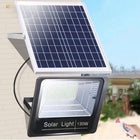
High-output solar wall light illuminating a residential garage and driveway with a 4,000 to 5,999 mAh battery system High-output solar wall light illuminating a residential garage and driveway with a 4,000 to 5,999 mAh battery system
Filter

    Higher-Demand Solar Lighting Systems

    Batteries in the 4,000–5,999mAh range are useful when a fixture has higher LED output, longer active periods or additional control functions. The battery can only store energy that the solar panel successfully collects, so panel exposure remains critical.

    Panel Placement Can Matter More Than Capacity

    If a fixture is under an eave or on a shaded wall, consider a separate-panel design that lets the panel face stronger sun. For motion-sensor models, review standby and triggered modes because they can use energy very differently.

    Solar Lights with Separate Solar Panel for flexible charging placement.

    Solar Lights with 6000+ mAh Battery for systems at or above 6,000mAh.

    FAQ

    • Choose the remote flood light for broad exterior illumination, the split pendant for a shed or garage interior, and the COB rope system for continuous decorative outlining along a patio, fence, pergola, or tree. Similar battery capacity does not mean similar brightness, beam, or installation.
    • Both need flexibility between the illuminated area and the charging location. The pendant can hang indoors or under cover while its panel stays outside, and the rope can follow a long decorative route while its panel is placed in sun. Check the supplied cable length and plan weather-protected connector routing.
    • No capacity band alone can promise that. The 4,000–5,999 mAh products vary from an 800-lumen pendant to a high-output flood and a long LED rope. Runtime depends on brightness, timer or sensor behavior, rope length, daily sunlight, and temperature.
    • Choose the flood light for an exterior wall, yard, roofline, or courtyard where broad high-output light is needed. Choose the pendant when the lamp must illuminate a defined interior or covered area while the panel remains outdoors. Mounting orientation and light distribution are the deciding factors.
    • Measure the illuminated route and distinguish LED rope length from the unlit connection cable. Longer or dual-run configurations place a different load on the system, so compare the selected length, timer options, and panel location together. Do not choose by battery capacity without checking the full variant specification.
    • It indicates nominal stored charge and commonly supports higher-output wall, pendant, flood, or longer-runtime applications. Voltage and efficiency also matter.
    • No. LED power, brightness mode, standby load, motion activity, panel size, and weather all affect operating time.
    • Use the selected model’s runtime figures. Continuous maximum output will run for less time than dim, timer, or motion modes.
    • It depends on panel wattage, battery state, sun intensity, panel angle, and temperature. Exact charging time varies.
    • Motion-triggered, dim standby, lower brightness, or shorter timer modes normally conserve more energy.
    • Cold reduces available output, high heat accelerates aging, and cloudy or shaded conditions reduce charging.
    • Only if the model permits service. Use the specified chemistry, voltage, size, and connector.