Pole-mounted solar lights illuminating a driveway and landscaped outdoor area at dusk Pole-mounted solar lights illuminating a driveway and landscaped outdoor area at dusk
Filter

    Match Output to Mounting Height

    Mounting higher can increase the area reached by the light, but it can also reduce illuminance at ground level if output and beam distribution are not matched to the height. Choose a practical position using the fixture’s actual output and beam design.

    Check the Supporting Structure

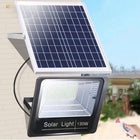
    The pole or wall structure should support the fixture and solar panel under outdoor conditions. Check bracket dimensions, fasteners, wind exposure and service access. Remote control is particularly useful when the light is mounted above normal reach.

    Commercial Solar Lights for broader site-lighting choices.

    Remote Control Solar Lights for high or difficult-to-reach installations.

    FAQ

    • They suit driveways, yards, parking areas, entrances, large gardens, and other locations needing elevated broad-area illumination.
    • Use the model’s recommended range. Height affects ground intensity, coverage, wind load, maintenance access, and sensor performance.
    • Verify bracket dimensions, pole diameter or shape, included hardware, fixture weight, and wind resistance before purchase.
    • The answer depends on area, height, beam angle, and required ground illumination. Test a sample fixture for larger projects.
    • Position it toward open sky and strong direct sun, avoiding trees, buildings, signs, and other shade.
    • Check the IP rating, housing, bracket strength, temperature range, and wind exposure. Outdoor rating alone does not verify structural suitability.
    • Professional installation is recommended for elevated, heavy, or commercial fixtures and for any new pole or structural foundation.