


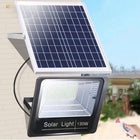


How to Clean Solar Lights: A Surface and Coating Guide

To clean solar lights, choose the method for the panel's outer surface and coating. Manufacturer guidance for glass, polycarbonate, and acrylic commonly specifies water and soft cleaning tools, but the permitted detergent and drying method can differ. Start by identifying the surface, then use the comparison below to understand those differences.
Identify the surface before choosing a cleaner
The dark solar cells underneath a cover are not necessarily the surface your cloth touches. “Monocrystalline” describes the cells; “ABS + PC” may describe the housing. Neither identifies the panel's outer layer. The light-emitting lens or diffuser is another component and may need different care.
Check the model's manual for the exposed panel material, lens material, and any coating. Appearance alone cannot reliably distinguish glass, plastic, or a film. If the documentation does not identify the surface, ask the supplier before choosing a cleaning chemical.
Scope of this guide: the named manufacturers below provide examples for their own modules or materials. Apply a method to a solar light only when both its surface and assembled-fixture instructions permit it. Seals, panel edges, adhesives, controls, and connectors may have separate restrictions. These examples do not establish the surface material of any NoxLumin model.
Which cleaning approach matches each surface?
| Surface or finish | Liquid and tool | Cleaning and finishing | Key limit |
|---|---|---|---|
| Glass: Canadian Solar module example | Water and a non-abrasive sponge. | Wash during cooler conditions; avoid scraping or rubbing dry dirt. | Identify any coating before choosing an additional cleaner. |
| Anti-reflective glass: Canadian Solar guidance | Low-mineral water with near-neutral pH. | Use the module's approved washing method; follow its finishing instructions. | Mineral deposits can affect the coating; household window cleaner is not automatically suitable. |
| Polycarbonate: TUFFAK sheet example | Mild diluted compatible soap; soft microfiber or a moist, non-abrasive sponge. | Pre-rinse, wash gently, rinse with clean lukewarm water, then dry with a soft cloth. | Do not rub a dusty surface dry. |
| Hard-coated PC: TUFFAK AR, TUFFAK 15 and HYGARD examples | The compatible cleaner and soft tools specified in the TUFFAK guide. | Use the specified cleaning sequence; avoid leaving liquid pooled at sheet edges. | Do not buff damaged abrasion-resistant coatings. |
| Acrylic: PLEXIGLAS example | Water-moistened, soft lint-free cloth or suitable sponge; a little dishwashing detergent if needed. | Wipe gently; do not rub completely dry. | Additional coatings require their own care instructions. |
| ETFE, PET, resin, or an unidentified finish | No universal cleaner specified here. | Obtain the panel model's care instructions, including its drying method. | A polymer name or glossy appearance does not establish compatibility. |

Glass and anti-reflective coatings: pay attention to water quality
Canadian Solar's module-care guidance supports the glass examples in the table. It specifies a non-abrasive sponge and water during the cooler part of the day, and warns against scraping dry dirt. For its anti-reflective coatings, it discusses low-mineral water and near-neutral pH.
The practical distinction is between removing loose dirt and treating a persistent deposit. If pale rings remain, do not automatically move to vinegar or another acid. Record the marks and ask for a coating-compatible deposit treatment. Tempered glass can still have a coating, and a rooftop module's pressure limits do not apply to a compact garden light.
Polycarbonate: distinguish gentle cleaning from polishing
The Plaskolite TUFFAK guide, page 19, gives the sequence summarized above. It lists compatible detergents and warns against gritty cleaners, hard brushes, scrapers, and cleaning in direct sun or high temperatures.
A hard coating changes scratch resistance, not the need for gentle care. Buffing damaged coated areas can worsen them. The guide concerns sheet products: its rinsing procedure is not permission to immerse a lamp or flood its connectors.
Acrylic: do not copy the polycarbonate drying instruction
PLEXIGLAS acrylic-care guidance recommends a moist, soft, lint-free cloth or suitable sponge for dust, with a small amount of dishwashing detergent if needed. It cautions against rubbing completely dry because this can cause static buildup and scratches.
This differs from the TUFFAK finishing instruction in the table. Use the guidance for the identified material rather than treating all clear plastics alike. Architectural-sheet pressure washing, sanding, or polishing instructions are not routine care instructions for a sealed solar light.
Films and resin surfaces: keep the uncertainty explicit
ETFE, PET, and resin-covered panels need model-specific care guidance. The material name alone does not identify the full surface construction or its edge seals. This guide therefore leaves their cleaner and finishing method unspecified.
If a layer looks loose or cloudy, establish whether it is shipping protection, a permanent film, or damage before attempting to peel or polish it. A small test patch cannot establish long-term compatibility with the complete panel.
Match the response to the mark
Describe what you see before deciding what to do. This helps a supplier distinguish routine cleaning from a possible repair request, without treating a photograph as a definitive material diagnosis.
- Loose dust, pollen, or dirt: use the identified surface's approved method. Do not add a stronger product simply to make the job faster.
- Dried splashes or pale rings: record whether sprinklers or hard water reach the panel. Request a compatible deposit-removal method rather than assuming vinegar is suitable.
- Persistent haze, yellowing, scratches, or peeling: stop treating the appearance as ordinary dirt. Ask whether the part needs assessment or replacement.
- Moisture apparently inside the cover: exterior wiping does not address an internal issue. Avoid opening a sealed fixture unless its instructions allow it.
For example, six lights along one walkway may have different marks: units beside a sprinkler can show spotting while sheltered units collect dust. Document those differences instead of applying one aggressive treatment to the entire set. This comparison can help the supplier identify the right maintenance response.
Plan care around the light's installation
These NoxLumin examples show how installation affects access, stability, and the parts you need to inspect.
Path lights: separate housing specifications from panel specifications
The 50-Lumen Adjustable Solar Pathway Lights have an integrated panel, a listed height range of 25–60 cm (about 10–24 in), and an IP65 housing. The ABS + PC listing describes product materials without identifying the exposed panel layer. Support the pole during inspection rather than pressing on the panel, and keep the pointed stake fully inserted in suitable soil.


Tree spotlights: preserve the chosen aim
The Adjustable Solar Tree Spotlight lists a 9 × 16 cm (about 3.5 × 6.3 in) monocrystalline panel and IP54 weather resistance. Its panel and lamp head share the tilt adjustment. Photograph the original aim before handling it, then check that maintenance has not changed the intended position. The cell type does not determine which cleaner is suitable.


Separate-panel floodlights: assess both locations
The Outdoor Solar LED Floodlight with Separate Panel uses a 5 m (16.4 ft) connecting cable. The lamp and charging panel can occupy different positions, so access to one does not guarantee access to the other. The listed IP67 rating concerns the lamp housing; do not extend it to every connector or use it as cleaning permission. Get help if the panel cannot be reached safely from the ground.


NoxLumin's care FAQ also emphasizes model instructions and avoiding abrasive or high-pressure cleaning. Keep cleaning liquid away from openings and follow the specific restrictions for the assembled product.
What to record before trying another cleaner
If the material remains unknown or a mark persists, send the supplier the product name, selected variant, a close photo, and any material or coating label. Identify the affected part and mention previous cleaners or sprinkler exposure. This gives support the information needed to recommend a compatible response.
Ask for the cleaner's exact name, dilution where relevant, tool, and finishing method. Keep the answer with the model details so future cleaning is consistent.
For replacement shopping, accessible maintenance information is a useful selection criterion alongside light output and placement. It is more informative than assuming every weather-resistant solar light tolerates the same cleaner. A clean-looking panel also does not prove the battery or charging system is working correctly.
Frequently asked questions
What is the safest way to clean a solar light panel?
Does a monocrystalline panel need a special cleaner?
Can I use Dawn or another dish soap on solar lights?
Can vinegar remove cloudy marks from a solar panel?
Can toothpaste or polish restore a cloudy panel?
Does an IP rating mean I can pressure-wash the light?
How often should I clean outdoor solar lights?
Get more NoxLumin guides on Google
Add NoxLumin as a Preferred Source to help Google show you more of our outdoor lighting guides in Search and AI experiences.


Leave a comment