Solar porch and patio lights illuminating a backyard seating area with wall-mounted solar lights, garden accents and an outdoor lantern at dusk Solar porch and patio lights illuminating a backyard seating area with wall-mounted solar lights, garden accents and an outdoor lantern at dusk
Filter

    How to Choose Solar Lights for a Porch or Patio

    Porches and patios combine several lighting needs: safe entry, step visibility, task lighting near doors, and softer ambient light around seating or entertaining areas. A layered layout usually works better than one overly bright fixture.

    Wall Lights for Doors and Entrances

    Wall-mounted solar lights can provide practical illumination near front doors, patio doors, and side entrances without extending mains wiring. If automatic activation is important, compare Motion Sensor Solar Lights and choose a sensor pattern that covers the approach rather than the entire yard.

    Lighting for Railings, Edges, and Entertaining Areas

    Fence lights, low-level fixtures, and flexible rope lights can define patio edges and railings without dominating the space. For railing and deck-focused options, see Solar Fence, Deck & Railing Lights.

    Covered Porches and Shaded Patios

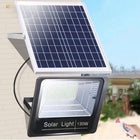
    A covered roof can reduce charging light at the fixture location. When possible, place the solar panel outside the deepest shade. For installations where the lamp and panel should be separated, browse Solar Lights with Separate Solar Panel.

    Brightness and Color Temperature

    Use brighter, more directional lighting at doors, steps, and work surfaces. Softer warm-white light often feels more comfortable around seating and dining areas, while cooler or higher-output light may be preferred for security-oriented zones. The best combination depends on the activity and existing ambient light.

    Plan the Solar Panel Before the Fixture

    Before mounting a porch or patio light, check where the panel will receive daylight through the day. Eaves, pergolas, trees, and privacy fences can create long periods of shade. A visually ideal lamp location is only useful if the charging system can support the intended nighttime runtime.

    Related Outdoor Lighting Categories

    For fence and railing edges, see Solar Fence, Deck & Railing Lights. For wall-mounted entrance lighting, browse Solar Wall Lights. For a broader no-electrical-wiring selection, see Outdoor Lights Without Wiring.

    FAQ

    • Use a 450–1,400 lumen motion wall light at the entrance, warm fence or up-and-down lights around railings, a flame or color-changing lantern for a table, and COB rope for a continuous perimeter or pergola outline. Choose brighter light for access and softer light near seating.
    • Portable lanterns need no wall mounting, while rope lights can use appropriate removable or semi-permanent clips depending on the surface. Fence lights and wall sconces usually require fasteners, and the rope’s solar panel still needs secure placement. Check property rules before drilling or attaching anything.
    • Keep the fixture high and outside direct eye level, aim the beam toward the approach rather than the table, and position the sensor so normal seated movement does not trigger repeated full brightness. A lower-output warm accent is more comfortable within the immediate seating zone.
    • Yes. Keep low-output decorative lights on for ambiance, then use a motion sconce at the door or approach for brief higher visibility. Aim the sensor so normal seated activity does not trigger it constantly, and avoid mounting the bright beam directly toward the seating area.
    • Measure the complete illuminated edge, including corners, stairs, and vertical returns, and separate that from the unlit cable needed to reach a sunny panel location. Select a rope configuration that fits the route without tight bends, stretching, or unsupported spans.
    • Wall sconces or motion-sensor wall lights are good choices near doors and steps, while lanterns, fence lights, or rope lights can provide softer ambient lighting around seating and railings. Choose the combination based on entry visibility and atmosphere.
    • Yes, but charging can be difficult if the solar panel stays under the roof or deep shade. A separate-panel design is useful because the panel can be mounted where it receives more daylight while the light remains under the covered area.
    • Yes. They can provide brighter automatic illumination when someone approaches a door or steps, while reducing the need for maximum brightness all night. Position the sensor so it covers the intended approach area.
    • Warm white is often preferred around seating, dining, and decorative areas because it creates a softer appearance. Cooler or higher-output light can be appropriate near security-focused entrances. The best choice depends on the existing lighting and the intended use.
    • Yes, when the product is designed for outdoor use. Rope lighting is useful for long railings, steps, low walls, pergolas, and curved edges where a continuous line of light is preferred.
    • Charging needs vary by product, but stronger unobstructed daylight generally improves runtime. Check for shade from eaves, pergolas, trees, fences, and nearby buildings before selecting the panel or fixture location.
    • Some models are designed for dusk-to-dawn operation, but actual runtime depends on charging conditions, battery capacity, brightness setting, weather, and season. Motion or lower-brightness modes can help conserve stored energy when continuous maximum output is unnecessary.