


Solar COB Rope Light Kit
Outline patios and edges
Continuous COB glow · Remote timer
$201.03 /
kit
Choose options
 Hot
Adjustable Solar Tree Spotlight | 180 Lumens, 5°–90° Beam, Up to 10 m Reach | For Trees, Statues & Landscape Accents
 Classic
Outdoor Solar Motion Sensor Wall Light | Aluminum Housing, 450–1,100 Lumens, IP65
 Solar COB Rope Light Kit – Outdoor LED Strip, 16.4–164 ft, IP65
 Hot
Solar Fence Lights with RGB & Warm White | 60 Lumens, IP65, Dusk-to-Dawn | 4–12 Pack for Fence, Deck & Patio
 Classic
Hardwired Outdoor LED Bollard Light – 7W, IP65, 3 Heights
Hot
Adjustable Solar Tree Spotlight | 180 Lumens, 5°–90° Beam, Up to 10 m Reach | For Trees, Statues & Landscape Accents
 Split-Design Solar Pendant Light | Up to 800 Lumens, 2700K–6000K Dimming, Separate Panel & 16.4 ft Cable | For Sheds & Garages
 Vintage Solar & USB Rechargeable Camping Lantern | 130 Lumens, 3000K–5000K, 3–6H Runtime
Classic
Outdoor Solar Motion Sensor Wall Light | Aluminum Housing, 450–1,100 Lumens, IP65
 Solar Radar Motion Sensor Wall & Pillar-Top Light | 1400 Lumens, 6000mAh, 4 Modes, IP65
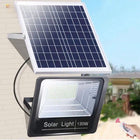 Outdoor Solar LED Floodlight with Separate Panel & Remote | 450–3,000 Lumens, IP67
 108 COB Outdoor Solar Sensor Street Lamp | 1500 Lumens | IP65 Waterproof With Remote Control | 3 Light Modes | for Garden Patio Path
Hot
Adjustable Solar Tree Spotlight | 180 Lumens, 5°–90° Beam, Up to 10 m Reach | For Trees, Statues & Landscape Accents
 50-Lumen Solar Pathway Lights – 2700K Warm White, IP65
 Classic
50-Lumen Adjustable Solar Pathway Lights | IP65, 25–60 cm | Warm or Cool White, 4–12 Pack
 Hot
8-LED Solar Disk Pathway Lights | IPX5, Dusk-to-Dawn, 4 or 8 Pack | For Garden Paths & Driveway Edges
Classic
Outdoor Solar Motion Sensor Wall Light | Aluminum Housing, 450–1,100 Lumens, IP65
 112-LED Solar Motion Sensor Wall Light | 120° PIR, 4 Modes, IP65 & 2200mAh | For Garages, Driveways & Entrances
Split-Design Solar Pendant Light | Up to 800 Lumens, 2700K–6000K Dimming, Separate Panel & 16.4 ft Cable | For Sheds & Garages
108 COB Outdoor Solar Sensor Street Lamp | 1500 Lumens | IP65 Waterproof With Remote Control | 3 Light Modes | for Garden Patio Path
 Commercial Solar Powered Flood Lights: Dual Panels, 8000 Lumens, 25000mAh Battery, Quick Charge, Auto Dusk-to-Dawn, Aluminum Garden Lighting.
Outdoor Solar LED Floodlight with Separate Panel & Remote | 450–3,000 Lumens, IP67
Split-Design Solar Pendant Light | Up to 800 Lumens, 2700K–6000K Dimming, Separate Panel & 16.4 ft Cable | For Sheds & Garages
Solar COB Rope Light Kit – Outdoor LED Strip, 16.4–164 ft, IP65
Outdoor Solar LED Floodlight with Separate Panel & Remote | 450–3,000 Lumens, IP67
 Classic
Intense Remote Operated Flood Light | 4000 ~ 6000 Lumens | Automatic Dusk to Dawn | For Garage Garden Courtyard Roof
Solar COB Rope Light Kit – Outdoor LED Strip, 16.4–164 ft, IP65
Split-Design Solar Pendant Light | Up to 800 Lumens, 2700K–6000K Dimming, Separate Panel & 16.4 ft Cable | For Sheds & Garages
Hot
Adjustable Solar Tree Spotlight | 180 Lumens, 5°–90° Beam, Up to 10 m Reach | For Trees, Statues & Landscape Accents
112-LED Solar Motion Sensor Wall Light | 120° PIR, 4 Modes, IP65 & 2200mAh | For Garages, Driveways & Entrances
Vintage Solar & USB Rechargeable Camping Lantern | 130 Lumens, 3000K–5000K, 3–6H Runtime
Hot
Solar Fence Lights with RGB & Warm White | 60 Lumens, IP65, Dusk-to-Dawn | 4–12 Pack for Fence, Deck & Patio
Classic
Hardwired Outdoor LED Bollard Light – 7W, IP65, 3 Heights
Hot
Adjustable Solar Tree Spotlight | 180 Lumens, 5°–90° Beam, Up to 10 m Reach | For Trees, Statues & Landscape Accents
Split-Design Solar Pendant Light | Up to 800 Lumens, 2700K–6000K Dimming, Separate Panel & 16.4 ft Cable | For Sheds & Garages
Vintage Solar & USB Rechargeable Camping Lantern | 130 Lumens, 3000K–5000K, 3–6H Runtime
Classic
Outdoor Solar Motion Sensor Wall Light | Aluminum Housing, 450–1,100 Lumens, IP65
Solar Radar Motion Sensor Wall & Pillar-Top Light | 1400 Lumens, 6000mAh, 4 Modes, IP65
Outdoor Solar LED Floodlight with Separate Panel & Remote | 450–3,000 Lumens, IP67
108 COB Outdoor Solar Sensor Street Lamp | 1500 Lumens | IP65 Waterproof With Remote Control | 3 Light Modes | for Garden Patio Path
Classic
Hardwired Outdoor LED Bollard Light – 7W, IP65, 3 Heights
Hot
Adjustable Solar Tree Spotlight | 180 Lumens, 5°–90° Beam, Up to 10 m Reach | For Trees, Statues & Landscape Accents
 Long Outdoor LED Wall Light – Fixed Color or Remote Dimmable
Classic
Outdoor Solar Motion Sensor Wall Light | Aluminum Housing, 450–1,100 Lumens, IP65
Solar COB Rope Light Kit – Outdoor LED Strip, 16.4–164 ft, IP65
 Commercial Solar Lighting | 720LED 6000 Lumens With 6800mAh Battery & Built-in Solar Panel | Remote-Controlled Lamp for Yard/Garden
Commercial Solar Powered Flood Lights: Dual Panels, 8000 Lumens, 25000mAh Battery, Quick Charge, Auto Dusk-to-Dawn, Aluminum Garden Lighting.
Classic
Intense Remote Operated Flood Light | 4000 ~ 6000 Lumens | Automatic Dusk to Dawn | For Garage Garden Courtyard Roof
 Solar Mushroom & Jellyfish LED Garden Stake Lights | Warm White or RGB, 6/8/10 Branches, 27.6 in (70 cm), IP65, Auto On/Off
 Solar Delphinium Flower Lights – 27-Inch IPX5 Garden Stakes, 8–12H | 4/8/12-Pack
Hot
8-LED Solar Disk Pathway Lights | IPX5, Dusk-to-Dawn, 4 or 8 Pack | For Garden Paths & Driveway Edges
 Mini House-Shaped Solar Pathway Lights Outdoor, 600mAh 6-8H Warm White LED Solar Powered Lights for Yard, Lawn, Path
Classic
Outdoor Solar Motion Sensor Wall Light | Aluminum Housing, 450–1,100 Lumens, IP65
50-Lumen Solar Pathway Lights – 2700K Warm White, IP65
Outdoor Solar LED Floodlight with Separate Panel & Remote | 450–3,000 Lumens, IP67
Classic
50-Lumen Adjustable Solar Pathway Lights | IP65, 25–60 cm | Warm or Cool White, 4–12 Pack
Classic
Outdoor Solar Motion Sensor Wall Light | Aluminum Housing, 450–1,100 Lumens, IP65
Hot
Adjustable Solar Tree Spotlight | 180 Lumens, 5°–90° Beam, Up to 10 m Reach | For Trees, Statues & Landscape Accents
Outdoor Solar LED Floodlight with Separate Panel & Remote | 450–3,000 Lumens, IP67
 Solar Outdoor Waterproof Motion Sensor Lights | For Address Lights, Garden Wall, Patio, Street | Enhanced Security and Ambiance
Outdoor Solar LED Floodlight with Separate Panel & Remote | 450–3,000 Lumens, IP67
Classic
Intense Remote Operated Flood Light | 4000 ~ 6000 Lumens | Automatic Dusk to Dawn | For Garage Garden Courtyard Roof
Solar COB Rope Light Kit – Outdoor LED Strip, 16.4–164 ft, IP65
Split-Design Solar Pendant Light | Up to 800 Lumens, 2700K–6000K Dimming, Separate Panel & 16.4 ft Cable | For Sheds & Garages
Classic
Outdoor Solar Motion Sensor Wall Light | Aluminum Housing, 450–1,100 Lumens, IP65
Outdoor Solar LED Floodlight with Separate Panel & Remote | 450–3,000 Lumens, IP67
Classic
Intense Remote Operated Flood Light | 4000 ~ 6000 Lumens | Automatic Dusk to Dawn | For Garage Garden Courtyard Roof
Solar COB Rope Light Kit – Outdoor LED Strip, 16.4–164 ft, IP65
Classic
Intense Remote Operated Flood Light | 4000 ~ 6000 Lumens | Automatic Dusk to Dawn | For Garage Garden Courtyard Roof
Commercial Solar Powered Flood Lights: Dual Panels, 8000 Lumens, 25000mAh Battery, Quick Charge, Auto Dusk-to-Dawn, Aluminum Garden Lighting.
Commercial Solar Lighting | 720LED 6000 Lumens With 6800mAh Battery & Built-in Solar Panel | Remote-Controlled Lamp for Yard/Garden
Outdoor Solar LED Floodlight with Separate Panel & Remote | 450–3,000 Lumens, IP67
Classic
Outdoor Solar Motion Sensor Wall Light | Aluminum Housing, 450–1,100 Lumens, IP65
Hot
Adjustable Solar Tree Spotlight | 180 Lumens, 5°–90° Beam, Up to 10 m Reach | For Trees, Statues & Landscape Accents
Hot
Solar Fence Lights with RGB & Warm White | 60 Lumens, IP65, Dusk-to-Dawn | 4–12 Pack for Fence, Deck & Patio
Hot
8-LED Solar Disk Pathway Lights | IPX5, Dusk-to-Dawn, 4 or 8 Pack | For Garden Paths & Driveway Edges
 Classic
USB Rechargeable Motion Sensor Cabinet Light | 3 Color Temperatures
 Hardwired LED Bathroom Mirror Light | 8–18W, 40–100 cm | 3-Color or Cool White
 Hanging Magnetic Dimming Desk Lamp | Battery Powered With USB Charging | For Bedroom, Night Reading, Monitor lamp
Vintage Solar & USB Rechargeable Camping Lantern | 130 Lumens, 3000K–5000K, 3–6H Runtime


 Hot
Adjustable Solar Tree Spotlight | 180 Lumens, 5°–90° Beam, Up to 10 m Reach | For Trees, Statues & Landscape Accents
Classic
Outdoor Solar Motion Sensor Wall Light | Aluminum Housing, 450–1,100 Lumens, IP65
Solar COB Rope Light Kit – Outdoor LED Strip, 16.4–164 ft, IP65
Hot
Solar Fence Lights with RGB & Warm White | 60 Lumens, IP65, Dusk-to-Dawn | 4–12 Pack for Fence, Deck & Patio
Outdoor Solar LED Floodlight with Separate Panel & Remote | 450–3,000 Lumens, IP67
50-Lumen Solar Pathway Lights – 2700K Warm White, IP65
Hot
8-LED Solar Disk Pathway Lights | IPX5, Dusk-to-Dawn, 4 or 8 Pack | For Garden Paths & Driveway Edges
Classic
Hardwired Outdoor LED Bollard Light – 7W, IP65, 3 Heights
Hot
Adjustable Solar Tree Spotlight | 180 Lumens, 5°–90° Beam, Up to 10 m Reach | For Trees, Statues & Landscape Accents
Split-Design Solar Pendant Light | Up to 800 Lumens, 2700K–6000K Dimming, Separate Panel & 16.4 ft Cable | For Sheds & Garages
Vintage Solar & USB Rechargeable Camping Lantern | 130 Lumens, 3000K–5000K, 3–6H Runtime
Classic
Outdoor Solar Motion Sensor Wall Light | Aluminum Housing, 450–1,100 Lumens, IP65
Solar Radar Motion Sensor Wall & Pillar-Top Light | 1400 Lumens, 6000mAh, 4 Modes, IP65
Outdoor Solar LED Floodlight with Separate Panel & Remote | 450–3,000 Lumens, IP67
108 COB Outdoor Solar Sensor Street Lamp | 1500 Lumens | IP65 Waterproof With Remote Control | 3 Light Modes | for Garden Patio Path
Hot
Adjustable Solar Tree Spotlight | 180 Lumens, 5°–90° Beam, Up to 10 m Reach | For Trees, Statues & Landscape Accents
50-Lumen Solar Pathway Lights – 2700K Warm White, IP65
Classic
50-Lumen Adjustable Solar Pathway Lights | IP65, 25–60 cm | Warm or Cool White, 4–12 Pack
Hot
8-LED Solar Disk Pathway Lights | IPX5, Dusk-to-Dawn, 4 or 8 Pack | For Garden Paths & Driveway Edges
Classic
Outdoor Solar Motion Sensor Wall Light | Aluminum Housing, 450–1,100 Lumens, IP65
112-LED Solar Motion Sensor Wall Light | 120° PIR, 4 Modes, IP65 & 2200mAh | For Garages, Driveways & Entrances
Split-Design Solar Pendant Light | Up to 800 Lumens, 2700K–6000K Dimming, Separate Panel & 16.4 ft Cable | For Sheds & Garages
108 COB Outdoor Solar Sensor Street Lamp | 1500 Lumens | IP65 Waterproof With Remote Control | 3 Light Modes | for Garden Patio Path
Commercial Solar Powered Flood Lights: Dual Panels, 8000 Lumens, 25000mAh Battery, Quick Charge, Auto Dusk-to-Dawn, Aluminum Garden Lighting.
Outdoor Solar LED Floodlight with Separate Panel & Remote | 450–3,000 Lumens, IP67
Split-Design Solar Pendant Light | Up to 800 Lumens, 2700K–6000K Dimming, Separate Panel & 16.4 ft Cable | For Sheds & Garages
Solar COB Rope Light Kit – Outdoor LED Strip, 16.4–164 ft, IP65
Outdoor Solar LED Floodlight with Separate Panel & Remote | 450–3,000 Lumens, IP67
Classic
Intense Remote Operated Flood Light | 4000 ~ 6000 Lumens | Automatic Dusk to Dawn | For Garage Garden Courtyard Roof
Solar COB Rope Light Kit – Outdoor LED Strip, 16.4–164 ft, IP65
Split-Design Solar Pendant Light | Up to 800 Lumens, 2700K–6000K Dimming, Separate Panel & 16.4 ft Cable | For Sheds & Garages
Hot
Adjustable Solar Tree Spotlight | 180 Lumens, 5°–90° Beam, Up to 10 m Reach | For Trees, Statues & Landscape Accents
112-LED Solar Motion Sensor Wall Light | 120° PIR, 4 Modes, IP65 & 2200mAh | For Garages, Driveways & Entrances
Vintage Solar & USB Rechargeable Camping Lantern | 130 Lumens, 3000K–5000K, 3–6H Runtime
Hot
Solar Fence Lights with RGB & Warm White | 60 Lumens, IP65, Dusk-to-Dawn | 4–12 Pack for Fence, Deck & Patio
Classic
Hardwired Outdoor LED Bollard Light – 7W, IP65, 3 Heights
Hot
Adjustable Solar Tree Spotlight | 180 Lumens, 5°–90° Beam, Up to 10 m Reach | For Trees, Statues & Landscape Accents
Split-Design Solar Pendant Light | Up to 800 Lumens, 2700K–6000K Dimming, Separate Panel & 16.4 ft Cable | For Sheds & Garages
Vintage Solar & USB Rechargeable Camping Lantern | 130 Lumens, 3000K–5000K, 3–6H Runtime
Classic
Outdoor Solar Motion Sensor Wall Light | Aluminum Housing, 450–1,100 Lumens, IP65
Solar Radar Motion Sensor Wall & Pillar-Top Light | 1400 Lumens, 6000mAh, 4 Modes, IP65
Outdoor Solar LED Floodlight with Separate Panel & Remote | 450–3,000 Lumens, IP67
108 COB Outdoor Solar Sensor Street Lamp | 1500 Lumens | IP65 Waterproof With Remote Control | 3 Light Modes | for Garden Patio Path
Classic
Hardwired Outdoor LED Bollard Light – 7W, IP65, 3 Heights
Hot
Adjustable Solar Tree Spotlight | 180 Lumens, 5°–90° Beam, Up to 10 m Reach | For Trees, Statues & Landscape Accents
Long Outdoor LED Wall Light – Fixed Color or Remote Dimmable
Classic
Outdoor Solar Motion Sensor Wall Light | Aluminum Housing, 450–1,100 Lumens, IP65
Solar COB Rope Light Kit – Outdoor LED Strip, 16.4–164 ft, IP65
Commercial Solar Lighting | 720LED 6000 Lumens With 6800mAh Battery & Built-in Solar Panel | Remote-Controlled Lamp for Yard/Garden
Commercial Solar Powered Flood Lights: Dual Panels, 8000 Lumens, 25000mAh Battery, Quick Charge, Auto Dusk-to-Dawn, Aluminum Garden Lighting.
Classic
Intense Remote Operated Flood Light | 4000 ~ 6000 Lumens | Automatic Dusk to Dawn | For Garage Garden Courtyard Roof
Solar Mushroom & Jellyfish LED Garden Stake Lights | Warm White or RGB, 6/8/10 Branches, 27.6 in (70 cm), IP65, Auto On/Off
Solar Delphinium Flower Lights – 27-Inch IPX5 Garden Stakes, 8–12H | 4/8/12-Pack
Hot
8-LED Solar Disk Pathway Lights | IPX5, Dusk-to-Dawn, 4 or 8 Pack | For Garden Paths & Driveway Edges
Mini House-Shaped Solar Pathway Lights Outdoor, 600mAh 6-8H Warm White LED Solar Powered Lights for Yard, Lawn, Path
Classic
Outdoor Solar Motion Sensor Wall Light | Aluminum Housing, 450–1,100 Lumens, IP65
50-Lumen Solar Pathway Lights – 2700K Warm White, IP65
Outdoor Solar LED Floodlight with Separate Panel & Remote | 450–3,000 Lumens, IP67
Classic
50-Lumen Adjustable Solar Pathway Lights | IP65, 25–60 cm | Warm or Cool White, 4–12 Pack
Classic
Outdoor Solar Motion Sensor Wall Light | Aluminum Housing, 450–1,100 Lumens, IP65
Hot
Adjustable Solar Tree Spotlight | 180 Lumens, 5°–90° Beam, Up to 10 m Reach | For Trees, Statues & Landscape Accents
Outdoor Solar LED Floodlight with Separate Panel & Remote | 450–3,000 Lumens, IP67
Solar Outdoor Waterproof Motion Sensor Lights | For Address Lights, Garden Wall, Patio, Street | Enhanced Security and Ambiance
Outdoor Solar LED Floodlight with Separate Panel & Remote | 450–3,000 Lumens, IP67
Classic
Intense Remote Operated Flood Light | 4000 ~ 6000 Lumens | Automatic Dusk to Dawn | For Garage Garden Courtyard Roof
Solar COB Rope Light Kit – Outdoor LED Strip, 16.4–164 ft, IP65
Split-Design Solar Pendant Light | Up to 800 Lumens, 2700K–6000K Dimming, Separate Panel & 16.4 ft Cable | For Sheds & Garages
Classic
Outdoor Solar Motion Sensor Wall Light | Aluminum Housing, 450–1,100 Lumens, IP65
Outdoor Solar LED Floodlight with Separate Panel & Remote | 450–3,000 Lumens, IP67
Classic
Intense Remote Operated Flood Light | 4000 ~ 6000 Lumens | Automatic Dusk to Dawn | For Garage Garden Courtyard Roof
Solar COB Rope Light Kit – Outdoor LED Strip, 16.4–164 ft, IP65
Classic
Intense Remote Operated Flood Light | 4000 ~ 6000 Lumens | Automatic Dusk to Dawn | For Garage Garden Courtyard Roof
Commercial Solar Powered Flood Lights: Dual Panels, 8000 Lumens, 25000mAh Battery, Quick Charge, Auto Dusk-to-Dawn, Aluminum Garden Lighting.
Commercial Solar Lighting | 720LED 6000 Lumens With 6800mAh Battery & Built-in Solar Panel | Remote-Controlled Lamp for Yard/Garden
Outdoor Solar LED Floodlight with Separate Panel & Remote | 450–3,000 Lumens, IP67
Classic
Outdoor Solar Motion Sensor Wall Light | Aluminum Housing, 450–1,100 Lumens, IP65
Hot
Adjustable Solar Tree Spotlight | 180 Lumens, 5°–90° Beam, Up to 10 m Reach | For Trees, Statues & Landscape Accents
Hot
Solar Fence Lights with RGB & Warm White | 60 Lumens, IP65, Dusk-to-Dawn | 4–12 Pack for Fence, Deck & Patio
Hot
8-LED Solar Disk Pathway Lights | IPX5, Dusk-to-Dawn, 4 or 8 Pack | For Garden Paths & Driveway Edges
Classic
USB Rechargeable Motion Sensor Cabinet Light | 3 Color Temperatures
Hardwired LED Bathroom Mirror Light | 8–18W, 40–100 cm | 3-Color or Cool White
Hanging Magnetic Dimming Desk Lamp | Battery Powered With USB Charging | For Bedroom, Night Reading, Monitor lamp
Vintage Solar & USB Rechargeable Camping Lantern | 130 Lumens, 3000K–5000K, 3–6H Runtime
Split-Design Solar Pendant Light | Up to 800 Lumens, 2700K–6000K Dimming, Separate Panel & 16.4 ft Cable | For Sheds & Garages
Explore NoxLumin outdoor lights for pathways, walls, trees, patios, driveways, gardens, security areas, and camping. The collection includes solar, rechargeable, and hardwired options, so compare power source, lumen output, weather rating, mounting style, control mode, and coverage before choosing.

Outline patios and edges
Continuous COB glow · Remote timer

Guide paths and frame entrances
Hardwired · Die-cast aluminum

Highlight trees and garden features
Adjustable beam · No trenching

Motion lighting for doors and garages
PIR sensing · Selectable light modes

Overhead light for sheds and garages
Separate panel · Remote dimming

Portable light for tents and tables
Solar + USB charging · Dimmable

Color for fences and decks
Warm white & RGB · Auto on/off

Playful accents for beds and borders
Flexible branches · Auto on/off

Bring a floral glow to garden beds
Solar powered · Auto dusk-to-dawn

Light gates, pillars and entrances
Radar sensing · Wall or pillar-top mount

Warm ambience for patios and tables
LED flame effect · Backup USB charging

Add light patterns along your path
Warm white or color cycling

Low-profile path markers
Stainless steel cover · Auto on/off

Lantern-style accents for garden paths
Patterned glow · Auto dusk-to-dawn

Warm light for garden paths
Auto dusk-to-dawn · No wiring

Warm accents for paths and borders
LED filament · Auto dusk-to-dawn

Hands-free light for camps and repairs
Magnetic base · Telescopic stand

Mark paths beside taller planting
Adjustable height · Auto on/off

Frame entrances with a linear glow
Hardwired · Vertical or horizontal

Light yards and garden entrances
Integrated solar panel · Remote control

Area lighting for yards and driveways
Dual solar panels · Aluminum housing

Light entrances and house numbers
Motion sensing · Remote dimming

Light garages and courtyards
Separate panel · Remote control

Motion lighting for gates and paths
Radar sensing · Remote control
A QUICK BUYING GUIDE


