


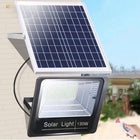


Warm White vs RGB Solar Fence Lights: Which Is Better for a Backyard Fence?

Quick Answer
Warm white solar fence lights are usually better for everyday backyard use because they create a softer, more welcoming glow for fences, patios, decks, and garden walls. RGB solar fence lights are better when the goal is seasonal color, parties, holidays, or a more playful outdoor atmosphere. For most U.S. homes, the best choice is a dual-mode solar fence light that can switch between warm white for daily use and RGB for occasional accent lighting.

Why This Choice Matters for Backyard Fences
A backyard fence light is not the same as a garage security light or a pathway light. Fence lights are usually installed on vertical surfaces, such as wood fences, vinyl fences, brick garden walls, deck posts, or patio borders. Their job is often to make the yard feel usable and inviting, not to flood the whole space with high brightness.

That is why light color matters. Warm white lighting feels calm and residential, while RGB lighting changes the mood quickly for parties, holidays, or poolside evenings. The right choice depends on whether the fence is mainly for daily outdoor living, decorative ambiance, or occasional color effects.


DarkSky International’s responsible outdoor lighting principles recommend outdoor lighting that is useful, targeted, controlled, and no brighter than necessary. That guidance fits fence lighting especially well: a fence light should define the edge of a space without spilling unnecessary glare into a neighbor’s yard or bedroom window.
Key Takeaways
- Choose warm white for daily patio, deck, fence, and garden wall lighting.
- Choose RGB for parties, holidays, pool areas, and colorful backyard accents.
- A 60-lumen fence light is better for ambiance and edge definition than for security lighting.
- Solar fence lights need direct daytime sun; shaded fences may reduce nighttime runtime.
- IP65 waterproofing is useful for exposed outdoor fences, patios, and deck rails.
- Dual-mode lights are the most flexible option when a backyard needs both everyday warmth and occasional color.
Warm White vs RGB Solar Fence Lights
| Choice | Best For | Strength | Limitation |
|---|---|---|---|
| Warm White | Everyday backyard use, patios, decks, fences, garden walls | Soft, welcoming, easier to blend with home exterior lighting | Less dramatic for parties or seasonal decor |
| RGB | Parties, holidays, poolside fences, colorful garden accents | Creates visual interest and mood changes | Can feel too decorative for daily use if left on every night |
| Dual-Mode Warm White + RGB | Homes that need both daily ambiance and event lighting | Most flexible for year-round use | Users still need to choose the right mode for the situation |
When Warm White Fence Lights Are the Better Choice
Warm white is the safer default for most backyard fences because it looks natural near wood, brick, stone, stucco, and outdoor furniture. It works well when the goal is to make a deck edge, patio wall, or fence line feel finished without making the yard look like an event space every night.
Warm white fence lights are especially useful around outdoor dining areas, side fences near seating, small garden walls, and backyard boundaries that are visible from inside the home. They also pair better with most porch lights, patio sconces, and warm landscape lighting.

When RGB Fence Lights Make More Sense
RGB solar fence lights are useful when color is part of the purpose. They can make a patio feel more festive for weekend gatherings, poolside evenings, birthdays, holidays, or themed backyard decor. RGB also works well when the fence itself is plain and needs visual interest.
RGB is not always ideal as the default nightly mode. If the fence is close to a neighbor’s window or faces a street, strong color changes may feel distracting. In those cases, warm white should be the everyday setting, while RGB can be saved for specific occasions.

Brightness: Are 60-Lumen Solar Fence Lights Enough?
A 60-lumen solar fence light is usually enough for decorative fence lighting, patio edge definition, deck rail accents, and garden wall ambiance. It is not meant to replace a floodlight, driveway light, or motion sensor security light.
For comparison, a fence light should help people see the shape and boundary of an outdoor area. It does not need to illuminate a full driveway or large lawn. If the goal is security near a garage entrance, a motion sensor wall light with higher brightness is usually a better fit.

Solar Charging and Placement
Solar fence lights perform best when the panel receives direct sunlight during the day. A fence under dense trees, a deep porch overhang, or the north side of a building may not charge as well as a sunny south- or west-facing fence.

The U.S. Department of Energy notes that tree cover and shading can affect solar performance. The same practical idea applies to small solar fence lights: less direct sun usually means shorter runtime at night.
Suitable vs Unsuitable Use Cases
| Use Case | Good Fit? | Why |
|---|---|---|
| Backyard fence ambiance | Yes | Warm white creates a soft boundary glow without harsh glare. |
| Deck rail or patio wall accents | Yes | Compact wall-mounted lights can define edges and improve evening atmosphere. |
| Holiday or party lighting | Yes | RGB mode adds color without installing temporary string lights. |
| Garage security lighting | No | Fence lights are decorative; motion sensor wall lights are better for security zones. |
| Deep shaded fence under trees | Maybe | Runtime may drop if the solar panel does not receive enough direct sun. |
| Primary pathway lighting | Maybe | Fence lights can help, but dedicated path lights usually define walking surfaces better. |

Common Mistakes to Avoid
- Using RGB as the default every night: Color lighting can feel busy if the yard is used mainly for relaxing or dining.
- Installing solar panels in shade: A shaded fence can reduce charging and shorten runtime.
- Expecting fence lights to act like security lights: Decorative 60-lumen fence lights are not designed to replace high-output motion lights.
- Spacing lights too far apart: Wide spacing can make the fence look uneven, especially on long deck rails or garden walls.
- Pointing light toward neighbors: Fence lighting should stay targeted on the fence, deck, or patio area.
- Ignoring surface material: Brick, vinyl, wood, and metal posts may require different screw placement and pilot-hole care.
Practical Buying and Placement Checklist
- Decide whether the main purpose is daily ambiance, party color, or both.
- Choose warm white for everyday use and RGB for occasional accent lighting.
- Check that the fence, wall, or deck rail receives enough direct sun during the day.
- Use IP65-rated lights for exposed outdoor fences and patios.
- Mount lights at a consistent height for a clean, even visual rhythm.
- Test one section at night before installing the full set across a long fence.
- Avoid aiming light into neighboring windows or directly into seating areas.
Recommended NoxLumin Option
For homeowners who want both everyday warmth and occasional color, the NoxLumin Solar Fence Lights Outdoor, 60LM Dual-Mode RGB & Warm White are the most relevant option. They combine warm white and RGB lighting, a 60-lumen output, 4–6 hour charging time, 10+ hour working time after a full charge, IP65 waterproof protection, screw mounting, and a compact 12 cm x 7.5 cm body for fences, decks, patios, and garden walls.

For broader browsing, homeowners can also compare related options in Outdoor Lights, Decorative Lamps, and Auto On/Off Solar Lights.
FAQ
Are warm white or RGB solar fence lights better for everyday backyard use?
Are 60-lumen solar fence lights bright enough?
Do solar fence lights work on wood and vinyl fences?
Can RGB solar fence lights be used every night?
Where should solar fence lights be installed for best performance?
Are solar fence lights good for security?
Get more NoxLumin guides on Google
Add NoxLumin as a Preferred Source to help Google show you more of our outdoor lighting guides in Search and AI experiences.


Leave a comment