Cozy rechargeable battery light illuminating a home utility and storage area for the Rechargeable Battery Lights collection Cozy rechargeable battery light illuminating a home utility and storage area for the Rechargeable Battery Lights collection
Filter

    Choose Battery Lights by Use

    Choose portable lanterns when the light needs to move between camping, emergency, vehicle or work areas. Slim rechargeable lights are better for closets, cabinets and bedside use where compact mounting and convenient charging matter more than maximum output.

    Compare Charging and Runtime Modes

    Battery capacity does not translate directly into a fixed runtime. Brightness level, sensor use, temperature, battery condition and the selected light mode all influence operating time. Check charging connector, mounting method and available brightness modes for the intended use.

    Related Battery-Powered Categories

    Camping lights for portable campsite and emergency use.

    Magnetic Adsorption Lights for removable magnetic mounting.

    Motion Sensor Lights for automatic activation.

    FAQ

    • Use the slim motion-sensor bar for closets and cabinets, the magnetic desk lamp for reading or monitor work, the vintage lantern for portable ambient light, and the 14,000 mAh telescopic lantern for brighter campsite, work, or emergency use. Their mounting, output, and portability differ substantially.
    • Consider both. A larger battery can support longer use or higher output, but runtime also depends on the selected brightness, LED efficiency, and control mode. Compare the intended task first, then use capacity and stated runtime as supporting criteria rather than treating mAh as a direct brightness score.
    • The motion-sensor bar turns on for brief indoor activity, while magnetic bases on selected desk or camping models can hold the light on compatible metal surfaces. Hands-free capability depends on the specific fixture: verify whether the model uses a sensor, magnetic mount, adjustable head, or telescopic stand.
    • The portable rechargeable lanterns can supplement an outage or vehicle kit because they provide independent battery power and movable light. Keep them charged, test them periodically, and store them within the temperature and moisture limits stated on the product page. They should complement, not replace, required emergency equipment.
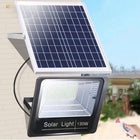
    • Look specifically at the dual-charge lantern options; not every rechargeable light includes a solar panel. Solar charging is useful as a backup but is slower and weather-dependent, while USB is the more predictable primary method. Confirm the connector, included accessories, and charging instructions for the selected model.
    • The collection can include USB-rechargeable indoor lights, rechargeable camping lanterns, and solar lights with built-in batteries. Check each listing for charging method, capacity, modes, and intended use.
    • Capacity in mAh indicates stored charge, but runtime also depends on voltage, LED power, brightness, sensor activity, temperature, charging efficiency, and any power-bank use.
    • Runtime varies by model and mode. Low brightness or motion-sensor use usually lasts longer than continuous maximum output. Use the runtime range stated on the selected product page.
    • Depending on the product, charging can use USB or USB-C, and the solar-and-USB lantern also includes an integrated solar panel for supplemental charging. Check the selected product for its exact charging connector and supported methods.
    • This depends on the battery-management design. Follow the product instructions; when simultaneous use is not specified, charge the light first and disconnect it before operation.
    • Store them dry and away from extreme heat, recharge periodically during long storage, and inspect the battery or housing for swelling, leakage, or other damage.
    • No. Indoor magnetic and sensor lights may not be moisture-rated, while camping and solar models may carry IPX4, IPX5, IP65, or other ratings. Follow the individual listing.