



¿A qué altura debes montar una luz solar de pared con sensor de movimiento en la entrada de un garaje?

Respuesta rápida
Para la mayoría de las entradas de garaje y puertas laterales, una luz solar de pared con sensor de movimiento debe montarse lo suficientemente alto para detectar movimiento antes de que una persona llegue a la puerta, pero no tan alto que la luz se disperse demasiado y pierda brillo útil. Como regla práctica, use una luz 24LED montada por debajo de 2 metros para puertas pequeñas, una luz 48LED a unos 2–3 metros para la mayoría de las entradas laterales de garaje y una luz 60LED por encima de 3 metros para paredes de garaje más altas o bordes de entrada más amplios.

Por qué la altura de montaje importa para la iluminación de la entrada del garaje
Una luz de entrada de garaje tiene que hacer más que brillar sobre una pared. Debe iluminar la ruta de paso, detectar movimiento desde la dirección correcta y exponer su panel solar al sol durante el tiempo suficiente para recargarse durante el día. Si la luz está demasiado baja, el sensor puede activarse tarde o crear deslumbramiento. Si está demasiado alta, el suelo puede parecer tenue incluso con un mayor número de lúmenes.
El Departamento de Energía de EE. UU. explica que la iluminación solar exterior depende de que las células solares carguen las baterías durante el día y que la sombra puede reducir el rendimiento nocturno. Para una pared de garaje, eso significa que la altura de montaje es solo una parte de la decisión; el panel solar también necesita una exposición fiable a la luz diurna.
Conclusiones clave
- Elija la altura de montaje según el tamaño de la puerta, la ruta de paso, el ángulo del sensor y la versión de brillo.
- Use luces de menor potencia para puertas laterales y luces de mayor potencia para paredes de garaje más altas o entradas más amplias.
- No coloque el panel solar debajo de aleros profundos, sombra densa o una pared orientada al norte con exposición limitada al sol.
- Un modo de movimiento suele ser mejor que el brillo constante toda la noche para entradas de garaje porque conserva el tiempo de funcionamiento.
- La luz blanca cálida suele ser mejor cerca de entradas de casa, mientras que la luz blanca puede parecer más clara para áreas orientadas a la seguridad.
Cómo elegir la altura de montaje correcta
Comience con la altura del área que necesita iluminar. Una puerta lateral estrecha necesita luz dirigida cerca de la manija, los escalones y el camino. Una entrada de garaje o borde de entrada necesita una cobertura más amplia y una posición del sensor que pueda detectar a alguien que se acerca desde el costado o de frente.
| Caso de uso | Altura sugerida | Mejor opción | Por qué encaja |
|---|---|---|---|
| Puerta lateral, pared de patio pequeña, entrada de cobertizo | Menos de 2 m / aprox. 6,5 pies | 24LED, 450LM | Suficiente para una zona de puerta enfocada sin sobreiluminar una pared pequeña. |
| Entrada lateral de garaje, pared exterior estándar | 2–3 m / aprox. 6,5–9,8 pies | 48LED, 900LM | Altura y brillo equilibrados para un camino, puerta lateral o borde de entrada. |
| Pared de garaje alta, borde de entrada más amplio, pared de jardín más grande | Más de 3 m / aprox. 9,8 pies | 60LED, 1100LM | La mayor potencia ayuda a compensar la dispersión más amplia desde un punto de montaje más alto. |

Factores clave antes de perforar
| Factor | Qué comprobar | Por qué importa |
|---|---|---|
| Brillo | 450LM, 900LM o 1100LM según la versión | Los puntos de montaje más altos suelen necesitar más potencia para mantener el suelo suficientemente iluminado. |
| Exposición solar | Luz diurna directa sobre el panel para una carga más fuerte | La sombra de aleros, árboles o líneas de techo puede reducir el tiempo de funcionamiento nocturno. |
| Alcance del sensor de movimiento | Aprox. 5–10 m / 16,4–32,8 pies | El sensor debe mirar hacia la ruta de aproximación, no solo a la pared bajo la luz. |
| Ángulo del sensor | Ángulo de detección superior a 180° | Un ángulo amplio ayuda a cubrir aproximaciones laterales cerca de entradas de garaje y patios. |
| Capacidad de la batería | 1500mAh, 3000mAh o 6000mAh según la versión | Las versiones más grandes son más adecuadas para una colocación más alta y necesidades de cobertura más amplias. |
| Modo de iluminación | Tenue a brillante, apagado a brillante, encendido constante, encendido de emergencia, apagado | Los modos basados en movimiento suelen conservar mejor la batería que el brillo constante. |
¿Qué versión LED encaja en una entrada de garaje?
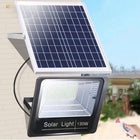
Para la luz solar LED de pared para exteriores NoxLumin con sensor de movimiento, la versión 24LED es la opción más compacta para entradas pequeñas, la versión 48LED es la opción más equilibrada para entradas laterales de garaje típicas y la versión 60LED es más adecuada para puntos de montaje más altos o una cobertura de pared más amplia.
Las especificaciones públicas del producto indican la versión 24LED con 450 lúmenes y una batería de 1500mAh, la versión 48LED con 900 lúmenes y una batería de 3000mAh, y la versión 60LED con 1100 lúmenes y una batería de 6000mAh. Cada versión está diseñada para una altura de instalación diferente, por lo que la mejor opción depende de la pared y el área que necesita iluminar, no solo del mayor número de lúmenes.
Casos de uso adecuados y no ideales
| Adecuado | No ideal |
|---|---|
| Puertas laterales de garaje sin cableado cercano | Paredes muy sombreadas donde el panel solar no puede cargarse bien |
| Paredes de patio, entradas de cobertizo, muros de jardín y bordes de entrada | Áreas que necesitan brillo continuo de nivel reflector toda la noche |
| Casas que necesitan iluminación activada por movimiento para llegadas o actividades cortas | Paredes bajas donde una luz brillante apuntaría directamente a los ojos de las personas |
| Áreas de entrada donde se prefiere luz dirigida sobre deslumbramiento amplio | Ubicaciones donde el sensor mira a una calle con movimiento frecuente no relacionado |

Errores comunes que deben evitarse
- Instalación bajo aleros profundos: Un voladizo de techo puede proteger la luz, pero también puede bloquear el panel solar de la luz útil del sol.
- Montaje demasiado alto con una versión de baja potencia: Una luz pequeña montada demasiado alta puede verse brillante en la pared pero tenue en el suelo.
- Apuntar el sensor hacia la ruta equivocada: El sensor de movimiento debe mirar en la dirección desde la que se acercan las personas, no solo a la puerta.
- Usar el modo constante para cada situación: La luz constante puede reducir el tiempo de funcionamiento más rápido que los modos basados en movimiento.
- Usar iluminación decorativa como iluminación de seguridad: Las luces de acento y de valla no sustituyen una luz de pared con sensor de movimiento en una entrada.
Los principios de iluminación exterior responsable de DarkSky International recomiendan que la iluminación exterior sea útil, dirigida, controlada y no más brillante de lo necesario. Para una entrada de garaje, eso significa elegir una luz que cubra el área de aproximación sin crear deslumbramiento innecesario hacia ventanas vecinas o la calle.
Lista de verificación de instalación
- Párese en la entrada del garaje por la noche e identifique la ruta real que necesita luz.
- Elija primero la altura de montaje: menos de 2 m para puertas pequeñas, 2–3 m para la mayoría de las entradas laterales de garaje o más de 3 m para paredes más altas.
- Seleccione la versión de brillo que corresponda a esa altura en lugar de elegir solo por el número de lúmenes.
- Confirme que el panel solar reciba luz diurna directa y no esté bloqueado por aleros, líneas de techo, árboles o canalones.
- Apunte el sensor de movimiento hacia la ruta de aproximación para que detecte movimiento antes de que una persona llegue a la puerta.
- Pruebe la luz después de un día completo de carga y ajuste el modo si el tiempo de funcionamiento o el brillo no son adecuados.
Producto y colecciones NoxLumin recomendados

Para entradas de garaje, puertas laterales y paredes de patio, la luz solar LED de pared para exteriores NoxLumin con sensor de movimiento es la opción más relevante porque ofrece tres niveles de brillo y batería, detección de movimiento, protección exterior IP65 e instalación sin cableado. Para una exploración más amplia, las colecciones de luces solares con sensor de movimiento, luces exteriores y las colecciones por altura de instalación pueden ayudar a hacer coincidir la luz con la altura de la pared.
Preguntas frecuentes
¿A qué altura debo instalar una luz solar de pared con sensor de movimiento para una puerta lateral de garaje?
¿Es suficiente una luz solar de pared 24LED para una entrada?
¿Debo elegir luz blanca cálida o blanca para una entrada de garaje?
¿Puede una luz solar de pared cargarse correctamente bajo un alero?
¿Por qué una luz solar con sensor de movimiento se enciende demasiado tarde?
¿Una luz de entrada de garaje debe permanecer encendida toda la noche o usar el modo de movimiento?
Descubre más guías de NoxLumin en Google
Añade NoxLumin como fuente preferida para ayudar a Google a mostrarte más de nuestras guías de iluminación exterior en la Búsqueda y en las experiencias de IA.


Dejar un comentario