


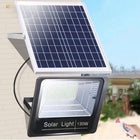


¿Qué linterna de camping de brillo necesitas para cortes de energía y acampadas?

Respuesta rápida
Para una tienda de campaña pequeña, una mesa de patio o una luz de respaldo junto a la cama, una linterna de camping de entre 100 y 300 lúmenes suele ser suficiente. Para un corte de energía en casa, una configuración de caravana, un área de cocina en el campamento o iluminación de tareas de emergencia, una linterna recargable más brillante con mayor potencia, una batería más grande y múltiples modos de luz es más práctica. La mejor opción no siempre es el mayor número de lúmenes; depende de si necesita luz ambiental suave, luz de trabajo manos libres, larga duración, respaldo de carga para teléfono o cobertura de luz amplia.
Por qué la brillantez de la linterna es importante durante los cortes de energía y el campamento
Una linterna de camping tiene que servir para diferentes propósitos en diferentes situaciones. Una luz de tienda de campaña debe ser lo suficientemente suave para evitar el deslumbramiento. Una linterna de patio o caravana debe distribuir la luz de manera uniforme. Una linterna para cortes de energía debe ayudar a las personas a moverse con seguridad por las habitaciones, encontrar suministros, revisar los interruptores y mantener los teléfonos o pequeños dispositivos accesibles.

El brillo es solo una parte de la decisión. La capacidad de la batería, el tiempo de funcionamiento, la clasificación de impermeabilidad, el método de carga, los modos de iluminación y las opciones de montaje a menudo importan más que el número máximo de lúmenes. Una linterna compacta de 130 lúmenes puede ser mejor para una tienda de campaña o una mesita de noche, mientras que una linterna recargable de 6000 lúmenes puede ser mejor para un garaje, una caravana, un camping o un corte de energía más prolongado.

La guía Leave No Trace del Servicio de Parques Nacionales recomienda planificar con antelación, prepararse para peligros y emergencias, y minimizar el impacto de las hogueras. Para los campistas modernos, una linterna LED recargable puede reducir la necesidad de depender de llamas abiertas para la iluminación básica alrededor de un campamento.
Conclusiones clave
- Utilice de 100 a 300 lúmenes para tiendas de campaña, respaldo de cabecera, lectura e iluminación de mesa suave.
- Utilice linternas de mayor potencia para cortes de energía en el hogar, vehículos recreativos, áreas de cocina en campamentos, tareas de reparación e uso en garajes.
- La capacidad de la batería y el tiempo de funcionamiento son más importantes que el brillo máximo durante cortes de energía prolongados.
- La carga USB-C es más confiable para la carga previa al viaje, mientras que la carga solar es útil como método de carga de respaldo o suplementario.
- Los modos de luz de inundación, linterna, SOS, atenuación y temperatura de color ayudan a que una linterna cubra más de un escenario.
- No confíe en linternas decorativas de baja potencia como única fuente de luz de emergencia para todo el hogar.
¿Cuántos lúmenes necesitas?
Piense en los lúmenes como una salida de luz útil, no como un simple número de "cuanto más, mejor". Una linterna brillante puede ser útil en un garaje, entrada o área de trabajo de campamento, pero puede resultar áspera dentro de una tienda de campaña pequeña. Una linterna de menor potencia puede ser cómoda en interiores, pero puede no proporcionar suficiente cobertura para tareas de emergencia al aire libre.
| Caso de uso | Necesidad típica de brillo | Mejor tipo de linterna | Por qué encaja |
|---|---|---|---|
| Interior de la tienda, respaldo de mesita de noche, lectura | Bajo a moderado | Linterna regulable compacta | La luz suave reduce el deslumbramiento en espacios pequeños y conserva la duración de la batería. |
| Mesa de patio, mesa de picnic, pequeño camping | Moderado | Linterna portátil con luz cálida o neutra | Suficiente para la visibilidad sin sobrecargar el área. |
| Área de autocaravana, garaje, trabajos de reparación, tareas en apagones | Alto | Linterna de reflector recargable de alta potencia | Mejor para una amplia cobertura, colocación manos libres e iluminación de tareas. |
| Corte de energía prolongado en casa | Mixto | Una linterna de alta potencia más luces de área más pequeñas | Combina luz de trabajo brillante con iluminación de respaldo cómoda a nivel de habitación. |
Factores clave de decisión antes de comprar una linterna de camping
| Factor | Qué comprobar | Por qué es importante |
|---|---|---|
| Brillo | Salida de lúmenes y rango de atenuación | El brillo máximo ayuda con las tareas, pero los ajustes más bajos son mejores para una larga duración y comodidad. |
| Capacidad de la batería | Clasificación mAh y tiempo de ejecución real por modo | Una batería más grande admite cortes de energía más largos y modos de mayor potencia. |
| Método de carga | USB-C, solar o ambos | USB-C es más rápido y predecible; la energía solar puede ayudar cuando no hay enchufes disponibles. |
| Modos de iluminación | Luz de inundación, linterna, SOS, luz cálida, luz blanca | Los diferentes modos permiten que una linterna funcione para camping, señalización de emergencia e iluminación de tareas. |
| Colocación | Gancho, base magnética, trípode, asa o soporte | La colocación manos libres es importante para cocinar, reparaciones, montar tiendas de campaña y responder a cortes de energía. |
| Resistencia al agua | IPX4, IPX5 o superior | La protección contra salpicaduras es importante para tiendas de campaña, patios, áreas de vehículos recreativos, lluvia y condiciones de almacenamiento húmedas. |
Linterna compacta vs. linterna de alta potencia
Una linterna recargable compacta de estilo vintage es la mejor opción cuando se necesita una luz ambiental confortable. Por ejemplo, una linterna de 130 lúmenes con opciones de temperatura de color de 3000K, 4000K y 5000K funciona bien para tiendas de campaña, mesas de patio, iluminación de respaldo junto a la cama y luz de emergencia suave. La atenuación continua ayuda a los usuarios a evitar desperdiciar batería en un brillo que no necesitan.

Una linterna recargable de alta potencia es mejor cuando se necesita una visibilidad seria. Una linterna de 6000 lúmenes con una batería de 14000 mAh, modo de luz de inundación, modo de linterna, modos SOS, cabezales giratorios, una base magnética y un poste telescópico es más adecuada para uso en caravanas, tareas de garaje, reparaciones al aire libre, instalación de campamentos y preparación para apagones en el hogar.

| Tipo de linterna | Ideal para | No ideal para |
|---|---|---|
| Linterna compacta de 130 lúmenes solar + USB | Tiendas de campaña, mesas de patio, iluminación suave de habitaciones, uso decorativo exterior | Tareas de apagón grandes, trabajo en garaje, iluminación de inundación de área amplia |
| Linterna recargable de alta potencia de 6000 lúmenes | Cortes de energía, caravanas, campings, tareas de emergencia, iluminación de reparación manos libres | Interiores de tiendas de campaña pequeñas donde el brillo máximo resultaría molesto |
Casos de uso adecuados e inadecuados
| Adecuado | No adecuado |
|---|---|
| Una linterna recargable para kits de apagones en casa, iluminación de caravanas, montaje de campamentos o respaldo de tiendas de campaña | Usar una linterna decorativa como única fuente de luz para un apagón en toda la casa |
| Una linterna solar + USB para ambiente de patio, tiendas de campaña y respaldo de emergencia corto | Esperar que un pequeño panel solar reemplace la carga rápida de pared durante el mal tiempo |
| Una linterna magnética o de trípode para reparaciones, tareas al lado del coche e iluminación manos libres | Colocar una luz de alta potencia directamente a la altura de los ojos en una tienda de campaña pequeña |
| Una linterna de batería de alta capacidad para mayor duración y cobertura más amplia | Comprar solo por el valor máximo de lúmenes sin verificar los modos bajos y la duración |
Errores comunes
- Comprar solo por lúmenes máximos: Una linterna muy brillante es útil, pero un buen modo de baja intensidad a menudo es más importante para dormir, leer y una larga duración.
- Ignorar la velocidad de carga: La carga solar es útil como respaldo, pero la carga USB-C suele ser mejor cuando necesitas prepararte antes de una tormenta o un viaje.
- Usar velas como luz principal en un apagón: La guía de seguridad de velas de la Asociación Nacional de Protección contra Incendios destaca la importancia de usar las velas con cuidado; para la iluminación en caso de apagón, las linternas LED a batería son generalmente más prácticas y reducen el riesgo de llamas abiertas.
- Elegir una linterna para cada habitación: Un kit de apagón doméstico funciona mejor con una linterna brillante para tareas y varias luces de área más pequeñas.
- Olvidar la ubicación: Una linterna con gancho, base magnética, trípode o poste telescópico a menudo es más útil que una luz que solo se puede sostener con la mano.
Lista de verificación práctica para la compra
- Elija lúmenes bajos a moderados para la iluminación de tiendas de campaña, dormitorios y mesas.
- Elija alta potencia para garajes, vehículos recreativos, cocinas de campamento, reparaciones y tareas de emergencia.
- Verifique la capacidad de la batería y el tiempo de funcionamiento con ajustes de brillo más bajos.
- Priorice la carga USB-C si la linterna forma parte de un kit de preparación para tormentas.
- Elija solar + USB si la linterna se utilizará al aire libre y puede recibir luz diurna.
- Busque montaje manos libres si necesita iluminación para reparaciones, campamentos o vehículos.
- Verifique la resistencia al agua antes de usar una linterna bajo la lluvia, el rocío o en almacenamiento exterior.
Opciones recomendadas de NoxLumin
Para cortes de energía en casa, uso en vehículos recreativos, instalación de campamentos e iluminación de tareas manos libres, la linterna de camping recargable NoxLumin de 14000 mAh es la opción más potente. Está diseñada con 6000 lúmenes, una batería de 14000 mAh, carga tipo C, uso de luz de inundación y linterna, modos SOS, cabezales de lámpara giratorios, una base magnética y un poste telescópico.

Para tiendas de campaña, patios, respaldo de cabecera e iluminación ambiental más suave, la linterna LED de camping vintage NoxLumin solar y recargable por USB es la opción más compacta. Proporciona 130 lúmenes, temperaturas de color de 3000K / 4000K / 5000K, atenuación continua, carga solar y USB Tipo C, resistencia a salpicaduras IPX4 y un cuerpo ligero para colgar o usar sobre una mesa.

Para una búsqueda más amplia, las colecciones Luces de camping, Luces solares portátiles de camping y Luces solares de emergencia para camping son los enlaces internos más relevantes para este tema.
Preguntas frecuentes
¿Cuántos lúmenes debe tener una linterna de camping para un corte de energía?
¿130 lúmenes son suficientes para una linterna de tienda de campaña?
¿Es demasiado brillante una linterna de camping de 6000 lúmenes?
¿Es suficiente la carga solar para una linterna de emergencia?
¿Qué es mejor para acampar, luz cálida o luz blanca?
¿Debo usar una linterna de mano o una linterna durante un corte de energía?
Descubre más guías de NoxLumin en Google
Añade NoxLumin como fuente preferida para ayudar a Google a mostrarte más de nuestras guías de iluminación exterior en la Búsqueda y en las experiencias de IA.


Dejar un comentario