


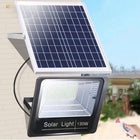


Quelle luminosité choisir pour une lanterne de camping en cas de panne ou en camping ?

Réponse rapide
Pour une petite tente, une table de patio ou une lampe de secours de chevet, une lanterne de camping d'environ 100 à 300 lumens est généralement suffisante. Pour une panne de courant à la maison, une installation de VR, une zone de cuisson de camping ou un éclairage de tâche d'urgence, une lanterne rechargeable plus lumineuse avec une puissance plus élevée, une batterie plus grande et plusieurs modes d'éclairage est plus pratique. Le meilleur choix n'est pas toujours le nombre de lumens le plus élevé ; cela dépend si vous avez besoin d'une lumière d'ambiance douce, d'une lumière de tâche mains libres, d'une longue autonomie, d'une alimentation de secours pour téléphone ou d'une large couverture de projecteur.
Pourquoi la luminosité de la lanterne est importante pendant les pannes de courant et le camping
Une lanterne de camping doit servir à différentes tâches dans différentes situations. Une lumière de tente doit être suffisamment douce pour éviter l'éblouissement. Une lanterne de patio ou de VR doit diffuser la lumière uniformément. Une lanterne en cas de panne de courant doit aider les gens à se déplacer en toute sécurité dans les pièces, à trouver des fournitures, à vérifier les disjoncteurs et à garder les téléphones ou les petits appareils accessibles.

La luminosité n'est qu'une partie de la décision. La capacité de la batterie, l'autonomie, l'indice d'étanchéité, la méthode de charge, les modes d'éclairage et les options de montage sont souvent plus importants que le nombre de lumens maximal. Une lanterne compacte de 130 lumens peut être meilleure pour une tente ou une table de chevet, tandis qu'une lanterne rechargeable de 6000 lumens peut être meilleure pour un garage, un VR, un camping ou une panne plus longue.

Le guide Leave No Trace du National Park Service recommande de planifier à l'avance, de se préparer aux dangers et aux urgences, et de minimiser l'impact des feux de camp. Pour les campeurs modernes, une lanterne LED rechargeable peut réduire le besoin de dépendre des flammes nues pour l'éclairage de base autour d'un camping.
Points clés à retenir
- Utilisez 100 à 300 lumens pour les tentes, le secours de chevet, la lecture et l'éclairage de table doux.
- Utilisez des lanternes plus puissantes pour les pannes de courant à la maison, les VR, les zones de cuisson de camping, les tâches de réparation et l'utilisation au garage.
- La capacité de la batterie et l'autonomie sont plus importantes que la luminosité maximale pendant les pannes prolongées.
- La charge USB-C est plus fiable pour la charge avant le voyage, tandis que la charge solaire est utile comme méthode de secours ou de charge supplémentaire.
- Les modes projecteur, lampe de poche, SOS, gradation et température de couleur permettent à une lanterne de couvrir plus d'un scénario.
- Ne comptez pas sur des lanternes décoratives à faible puissance comme seule source de lumière d'urgence pour toute la maison.
Combien de lumens avez-vous besoin ?
Considérez les lumens comme un rendement lumineux utile, et non comme un simple chiffre « plus il y en a, mieux c'est ». Une lanterne lumineuse peut être utile dans un garage, une allée ou une zone de travail de camping, mais elle peut sembler agressive à l'intérieur d'une petite tente. Une lanterne à faible puissance peut être confortable à l'intérieur, mais ne peut pas offrir une couverture suffisante pour les tâches d'urgence extérieures.
| Cas d'utilisation | Besoin typique de luminosité | Meilleur type de lanterne | Pourquoi ça correspond |
|---|---|---|---|
| Intérieur de tente, secours de chevet, lecture | Faible à modéré | Lanterne compacte dimmable | La lumière douce réduit l'éblouissement dans les petits espaces et préserve l'autonomie de la batterie. |
| Table de patio, table de pique-nique, petit camping | Modéré | Lanterne portable avec lumière chaude ou neutre | Suffisant pour la visibilité sans dominer la zone. |
| Zone de VR, garage, travaux de réparation, tâches en cas de panne de courant | Élevé | Lanterne-projecteur rechargeable haute puissance | Meilleur pour une large couverture, un placement mains libres et un éclairage de tâche. |
| Panne de courant prolongée à la maison | Mixte | Une lanterne haute puissance plus de petites lumières d'appoint | Combine une lumière de tâche vive avec un éclairage de secours confortable au niveau de la pièce. |
Facteurs de décision clés avant d'acheter une lanterne de camping
| Facteur | Ce qu'il faut vérifier | Pourquoi c'est important |
|---|---|---|
| Luminosité | Puissance lumineuse et plage de gradation | La luminosité maximale aide pour les tâches, mais les réglages plus bas sont meilleurs pour une longue autonomie et un confort accru. |
| Capacité de la batterie | Valeur mAh et autonomie réelle par mode | Une batterie plus grande permet des pannes plus longues et des modes de sortie plus élevés. |
| Méthode de charge | USB-C, solaire, ou les deux | L'USB-C est plus rapide et plus prévisible ; le solaire peut aider lorsque les prises ne sont pas disponibles. |
| Modes d'éclairage | Projecteur, lampe de poche, SOS, lumière chaude, lumière blanche | Différents modes permettent à une lanterne de fonctionner pour le camping, la signalisation d'urgence et l'éclairage de tâche. |
| Placement | Crochet, base magnétique, trépied, poignée ou support | Le placement mains libres est important pour la cuisine, les réparations, le montage de la tente et la réponse aux pannes. |
| Résistance à l'eau | IPX4, IPX5, ou supérieur | La protection contre les éclaboussures est importante pour les tentes, les patios, les zones de VR, la pluie et les conditions de stockage humides. |
Lanterne compacte vs Lanterne haute puissance
Une lanterne rechargeable compacte de style vintage est la meilleure lorsque vous avez besoin d'une lumière ambiante confortable. Par exemple, une lanterne de 130 lumens avec des options de température de couleur de 3000K, 4000K et 5000K fonctionne bien pour les tentes, les tables de patio, le secours de chevet et l'éclairage d'urgence doux. La gradation continue aide les utilisateurs à éviter de gaspiller la batterie pour une luminosité dont ils n'ont pas besoin.

Une lanterne rechargeable haute puissance est meilleure lorsque vous avez besoin d'une visibilité sérieuse. Une lanterne de 6000 lumens avec une batterie de 14000 mAh, un mode projecteur, un mode lampe de poche, des modes SOS, des têtes rotatives, une base magnétique et un mât télescopique est plus adaptée à l'utilisation en VR, aux tâches de garage, aux réparations extérieures, à l'installation de camping et à la préparation aux pannes de courant à la maison.

| Type de lanterne | Idéal pour | Pas idéal pour |
|---|---|---|
| Lanterne compacte 130 lumens solaire + USB | Tentes, tables de patio, éclairage ambiant doux, usage décoratif extérieur | Grandes tâches en cas de panne de courant, travaux de garage, éclairage projecteur à large zone |
| Lanterne rechargeable haute puissance 6000 lumens | Pannes de courant, VR, campings, tâches d'urgence, éclairage de réparation mains libres | Intérieurs de petites tentes où la luminosité maximale serait trop agressive |
Cas d'utilisation appropriés vs non appropriés
| Approprié | Non approprié |
|---|---|
| Une lanterne rechargeable pour les kits d'urgence à la maison, l'éclairage de VR, l'installation de camping ou le secours de tente | Utiliser une lanterne décorative comme seule source de lumière pour une panne de courant à la maison |
| Une lanterne solaire + USB pour l'ambiance du patio, les tentes et le secours d'urgence à court terme | S'attendre à ce qu'un petit panneau solaire remplace la charge murale rapide par mauvais temps |
| Une lanterne magnétique ou trépied pour les réparations, les tâches au bord de la voiture et l'éclairage mains libres | Placer une lumière haute puissance directement à hauteur des yeux dans une petite tente |
| Une lanterne à batterie haute capacité pour une plus longue autonomie et une plus grande couverture | Acheter uniquement en fonction du nombre de lumens maximal sans vérifier les modes faibles et l'autonomie |
Erreurs courantes
- Acheter uniquement en fonction du pic de lumens : Une lanterne très lumineuse est utile, mais un bon mode faible est souvent plus important pour dormir, lire et avoir une longue autonomie.
- Ignorer la vitesse de charge : La charge solaire est utile comme secours, mais la charge USB-C est généralement meilleure lorsque vous devez vous préparer avant une tempête ou un voyage.
- Utiliser des bougies comme principale lumière en cas de panne : Le guide de sécurité des bougies de la National Fire Protection Association souligne l'importance d'utiliser les bougies avec précaution ; pour l'éclairage en cas de panne, les lanternes LED alimentées par batterie sont généralement plus pratiques et réduisent les risques de flamme nue.
- Choisir une seule lanterne pour chaque pièce : Un kit d'urgence à domicile fonctionne mieux avec une lanterne de tâche lumineuse et plusieurs petites lumières d'appoint.
- Oublier le placement : Une lanterne avec un crochet, une base magnétique, un trépied ou un mât télescopique est souvent plus utile qu'une lumière uniquement portative.
Liste de contrôle pratique pour l'achat
- Choisissez des lumens faibles à modérés pour l'éclairage de tente, de chambre et de table.
- Choisissez une puissance élevée pour le garage, le VR, la cuisine de camping, les réparations et les tâches d'urgence.
- Vérifiez la capacité de la batterie et l'autonomie aux réglages de luminosité inférieurs.
- Priorisez la charge USB-C si la lanterne fait partie d'un kit de préparation aux tempêtes.
- Choisissez solaire + USB si la lanterne sera utilisée à l'extérieur et peut recevoir la lumière du jour.
- Recherchez un montage mains libres si vous avez besoin d'éclairage pour la réparation, le camping ou le véhicule.
- Vérifiez la résistance à l'eau avant d'utiliser une lanterne sous la pluie, la rosée ou dans des conditions de stockage humides.
Options NoxLumin recommandées
Pour les pannes de courant à la maison, l'utilisation en VR, l'installation de camping et l'éclairage de tâche mains libres, la lanterne de camping rechargeable 14000 mAh NoxLumin est le meilleur choix. Elle est conçue autour de 6000 lumens, une batterie de 14000 mAh, une charge Type-C, une utilisation projecteur et lampe de poche, des modes SOS, des têtes de lampe rotatives, une base magnétique et un mât télescopique.

Pour les tentes, les patios, le secours de chevet et un éclairage ambiant plus doux, la lanterne de camping LED vintage rechargeable solaire et USB NoxLumin est le choix le plus compact. Elle fournit 130 lumens, des températures de couleur de 3000K / 4000K / 5000K, une gradation continue, une charge USB solaire et Type-C, une résistance aux éclaboussures IPX4 et un corps léger pour une utilisation suspendue ou sur table.

Pour une navigation plus large, les collections Lampes de camping, Lampes de camping solaires portables et Lampes de camping solaires d'urgence sont les liens internes les plus pertinents pour ce sujet.
FAQ
Combien de lumens une lanterne de camping doit-elle avoir en cas de panne de courant ?
130 lumens sont-ils suffisants pour une lanterne de tente ?
Une lanterne de camping de 6000 lumens est-elle trop lumineuse ?
La charge solaire est-elle suffisante pour une lanterne d'urgence ?
Qu'est-ce qui est mieux pour le camping, la lumière chaude ou la lumière blanche ?
Dois-je utiliser une lampe de poche ou une lanterne pendant une panne de courant ?
Découvrez davantage de guides NoxLumin sur Google
Ajoutez NoxLumin à vos sources préférées pour aider Google à vous proposer davantage de nos guides sur l’éclairage extérieur dans la recherche et les expériences basées sur l’IA.


Laissez un commentaire