






Solar Landscape Accent Lighting
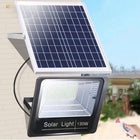
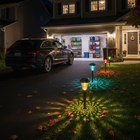
Solar landscape accent lighting adds depth, guidance, and visual focus to gardens without running underground wiring. Use focused spotlights for trees and statues, pathway lights for borders, flexible rope lights for curves and steps, and decorative stake or lantern lights for planting beds and patios. Compare beam shape, brightness, color temperature, and solar exposure to create layered outdoor lighting.
Solar landscape accent lighting adds depth, guidance, and visual focus to gardens without running underground wiring. Use focused spotlights for trees and statues, pathway lights for borders, flexible rope lights for curves and steps, and decorative stake or lantern lights for planting beds and patios. Compare beam shape, brightness, color temperature, and solar exposure to create layered outdoor lighting.


