Cómo elegir luces exteriores sin cableado eléctrico
La iluminación exterior sin cableado es útil cuando abrir zanjas, ampliar circuitos o contratar una instalación eléctrica permanente no resulta práctico. Las luminarias solares son la opción principal de esta colección porque combinan su propia fuente de carga diurna con almacenamiento de energía integrado para el uso nocturno.
Caminos, bordes de jardín y orientación a baja altura
Utiliza luces de camino, de disco y estacas decorativas cuando el objetivo principal sea definir una ruta o dar visibilidad al paisaje. Para bordes de entradas y recorridos peatonales, consulta Luces solares para entradas y caminos.
Puertas, garajes y zonas de seguridad
Las luces de pared con sensor de movimiento son más adecuadas para entradas y puntos de acceso que necesitan iluminación automática más brillante. Para seguridad y cobertura amplia, consulta Proyectores y luces solares de seguridad y Luces solares con sensor de movimiento.
Ubicaciones sombreadas o cubiertas
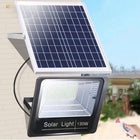
Una luz solar con panel integrado necesita suficiente luz diurna en la ubicación de la luminaria. Si debe instalarse bajo un alero, en una zona cubierta o en una pared sombreada, un panel separado puede colocarse en un punto más soleado. Consulta Luces solares con panel solar separado.
Panel integrado frente a panel separado
Las luces con panel integrado son sencillas porque panel, batería y luminaria se reúnen en un único punto de instalación. Los sistemas con panel separado añaden flexibilidad cuando la mejor posición de iluminación y la mejor posición de carga son diferentes. Elige según las condiciones del lugar en vez de asumir que un formato siempre es mejor.
Brillo, autonomía y modos de control
Compara la potencia con la tarea que debe realizar la luz. Las luces decorativas de camino y acento pueden usar menor potencia, mientras que las entradas de vehículos y zonas de seguridad pueden necesitar luminarias de mayor salida. La autonomía depende de la carga solar, capacidad de batería, brillo, actividad de movimiento, clima y estación, por lo que la potencia máxima no siempre es el mejor ajuste.
Comprar según el uso exterior
Para cobertizos y garajes, consulta Luces solares para cobertizos y garajes. Para propiedades grandes, consulta Luces solares para jardines y entradas grandes. Para porches y patios, consulta Luces solares para porches y patios. Para capas de iluminación paisajística, consulta Iluminación solar de acento paisajístico.