


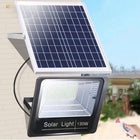


Luces solares de disco vs. luces de estaca para caminos: ¿Cuáles son mejores para entradas de vehículos y pasillos?

Veredicto Rápido
Elija las luces solares de disco cuando desee un marcador de bajo perfil a lo largo del borde de un camino de entrada, un borde de terraza o un césped abierto donde las luminarias altas resultarían intrusivas. Elija las luces de estaca cuando la luz deba permanecer visible por encima de las flores, el mantillo, la nieve baja o el terreno irregular, o cuando desee una hilera definida de luminarias de 25 a 60 cm (9,8 a 23,6 pulgadas) junto a un sendero. Ninguno de los dos estilos debe colocarse en el camino de rodadura de un vehículo, en el camino de la cuchilla de una cortadora de césped, en una depresión de drenaje o en el centro de una superficie de paso. Para muchos patios delanteros estadounidenses, la respuesta más práctica es un diseño mixto: luces de disco bajas junto al camino de entrada y luces de estaca elevadas junto al camino peatonal.
Comience por la Superficie, No por el Accesorio
El factor de forma más adecuado depende menos de la apariencia que de lo que sucede alrededor de la luz después de la instalación. El borde de un camino de entrada está expuesto a neumáticos, palas de nieve, escorrentía, carros de reparto y equipos de jardinería. Un sendero de jardín puede verse afectado por mantillo, plantas en crecimiento, aspersores, mascotas y tráfico peatonal. Una luz que parece ideal en una foto de producto diurna puede desaparecer bajo la hierba o convertirse en un obstáculo después de una temporada.
Antes de comparar el tamaño de la batería o el color de la luz, marque tres límites a la luz del día: la línea de paso normal, el camino de barrido del vehículo al girar y el área alcanzada por la cortadora de césped o la desbrozadora. Coloque todas las luces fuera de esos límites. Una capacidad de presión indicada no es un permiso para instalar una luz de disco debajo de una rueda de vehículo; las cargas dinámicas de los neumáticos, el contacto con los bordes, el movimiento del sustrato y la profundidad de instalación son diferentes de una clasificación de producto controlada.
Luces de Disco Solares vs. Luces de Estaca para Caminos
| Factor de decisión | Luz de disco de perfil bajo | Luz de estaca elevada para caminos |
|---|---|---|
| Mejor función visual | Marcador sutil de límites cerca del nivel del suelo | Marcador de camino visible por encima del suelo circundante |
| Buena ubicación inicial | Borde de entrada, borde de terraza, césped abierto, lecho de plantas bajo | Borde de pasarela, lecho de mantillo más profundo, plantación más alta, acceso a la entrada |
| Presencia diurna | Mínima y menos intrusiva visualmente | Más perceptible y decorativa |
| Visibilidad sobre plantas o nieve | Más fácil de cubrir u ocultar | Mejor cuando se ajusta a la altura adecuada |
| Mantenimiento del césped | Puede funcionar cerca del nivel del suelo, pero debe permanecer por debajo de la cuchilla de la cortadora de césped y libre de acumulación | Debe permanecer fuera de la ruta de corte y recorte |
| Exposición a tropiezos e impactos | Perfil más bajo, pero aún no apto para el centro de un camino | Más expuesta a pies, carros, mascotas y equipos |
| Presentación típica de la luz | Luz de marcador radial baja o hacia afuera | Piscina de luz elevada alrededor del borde del camino |
| Principal problema de mantenimiento | Hierba, tierra, hojas, mantillo y agua estancada alrededor de la lente o el panel | Estacas inclinadas, obstrucción de plantas, impactos y paneles solares sucios |
Cuando las Luces Solares de Disco de Perfil Bajo Tienen Más Sentido
Las luces de disco son útiles cuando el objetivo principal es marcar un borde sin añadir una hilera de postes visibles. A lo largo de un camino de entrada ancho de hormigón o asfalto, instálelas en suelo firme junto a la superficie dura, no en la huella del neumático y no donde un vehículo que gira corta la esquina. También son adecuadas para bordes de césped abiertos y perímetros de terrazas donde un accesorio elevado podría interrumpir la vista diurna.
Las Luces Solares de Disco LED de 8 Luces NoxLumin utilizan una estaca para enterrar, un cuerpo de acero inoxidable y plástico, una batería de 600 mAh y una clasificación IPX5. Actualmente, están disponibles opciones de cuatro y ocho unidades en blanco cálido y blanco frío. El producto indica una capacidad de presión de 100 kg, pero esa cifra no debe interpretarse como una clasificación de resistencia al paso de vehículos. Mantenga la carcasa fuera de los caminos normales de las ruedas y protéjala de las cuchillas de las cortadoras de césped, las herramientas de remoción de nieve y los equipos de perfilado.


La instalación baja crea dos limitaciones predecibles. Primero, la hierba y el mantillo pueden cubrir los LED u ocultar el panel solar integrado. Segundo, una depresión poco profunda puede acumular agua y escombros alrededor del accesorio. Coloque la parte superior al mismo nivel que el terreno circundante, mantenga la superficie solar expuesta y evite lugares donde la irrigación o las lluvias se acumulen repetidamente.
Cuando las Luces Elevadas de Estaca Son la Mejor Opción
Las luces de estaca son la opción más sólida cuando un peatón necesita reconocer el límite del camino desde más lejos o cuando la vegetación ocultaría un marcador a nivel del suelo. Una luz elevada es más fácil de ver junto a macizos de flores, mantillo más profundo, césped ornamental y bordes de jardín irregulares. También puede ayudar a definir la transición de un camino de entrada a un sendero delantero sin colocar un accesorio en la superficie pavimentada.
Las Luces Solares de Sendero de 50 Lúmenes NoxLumin se enumeran con posiciones de altura ajustables de 25 cm y 60 cm (9,8 pulg. y 59,9 cm (23,6 pulg.)), una batería de 1000 mAh, un tiempo de carga estimado de cuatro a seis horas, un tiempo de funcionamiento estimado de seis a ocho horas y funcionamiento del anochecer al amanecer. Las variantes actuales incluyen blanco cálido de 3000 K y blanco frío de 6500 K en paquetes de 4, 6, 8, 10 y 12. Todas las variantes enumeradas están actualmente disponibles para la venta.


Utilice la posición más baja cuando el dispositivo de iluminación deba permanecer por debajo de arbustos bajos o cuando el camino sea estrecho. Utilice la posición más alta cuando las plantas, la nieve o los cambios de nivel ocultarían una luz más baja. No coloque ninguna altura donde pueda ser golpeada por una cortadora de césped, una carretilla, el manillar de una bicicleta o una puerta que se abre. La configuración más alta mejora la visibilidad, pero también aumenta la fuerza de palanca sobre la estaca si se golpea.
Las Clasificaciones Meteorológicas No Deciden la Disposición por Usted
La Comisión Electrotécnica Internacional explica que las clasificaciones IP clasifican la resistencia del recinto al polvo y a los líquidos. En términos prácticos, IPX5 proporciona una clasificación de agua de nivel 5, mientras que la "X" significa que no se declara ninguna clasificación de sólidos en ese código. IP65 añade una clasificación de polvo de nivel 6 y la misma clasificación de agua de nivel 5. Ni IPX5 ni IP65 significan que el dispositivo esté diseñado para inmersión, inundaciones o una depresión constantemente llena de agua.
Esa distinción es importante porque el drenaje puede ser más relevante que la etiqueta por sí sola. Una luz de disco instalada en el punto más bajo de un camino de entrada inclinado puede permanecer rodeada de agua, arena y residuos de la carretera. Una luz de estaca junto a un aspersor puede recibir repetidamente rocío a corta distancia y desarrollar erosión del suelo alrededor de su base. Mueva el accesorio a un terreno mejor drenado en lugar de depender de la clasificación del recinto para compensar una mala ubicación.
Dónde Ambos Estilos Suelen Fallar

- Bajo sombra: Tejados, setos, vehículos estacionados y follaje de verano pueden impedir una carga diaria útil.
- Dentro de las líneas de tráfico: Una luz no debe ocupar la ruta normal de pies, neumáticos, carros, puertas, cortadoras de césped o herramientas para quitar nieve.
- En suelo suelto: Los ciclos repetidos de congelación y descongelación, el suelo saturado y el mantillo blando pueden hacer que las estacas se inclinen o se levanten.
- En puntos bajos de drenaje: La resistencia a las salpicaduras no sustituye al drenaje.
- Con un panel solar obstruido: Recortes de césped, hojas, polen y mantillo reducen la superficie expuesta del panel.
- Con brillo o deslumbramiento excesivos: Más luz visible no es automáticamente luz más útil.
El manual de fotovoltaica del Departamento de Energía de EE. UU. señala que el calor, la suciedad y la sombra pueden reducir la eficiencia de conversión solar. Planifique el tamaño maduro de las plantas cercanas y los patrones de estacionamiento estacionales, no solo la luz solar disponible el día de la instalación.
Un Diseño Híbrido Práctico

Considere un típico jardín delantero suburbano con un camino de entrada para dos coches, una pasarela curva de 1,5 m (cinco pies) de ancho y macizos de plantas cerca del porche. Utilice luces de disco de bajo perfil justo fuera del borde del camino de entrada, donde puedan marcar el límite sin convertirse en obstáculos altos. En el punto donde la ruta peatonal se separa del camino de entrada, cambie a luces de estaca elevadas para que la pasarela permanezca visualmente distinta a través del macizo de plantas.
Mantenga ambos estilos fuera del área pavimentada para caminar. En las escaleras, coloque las luces elevadas junto al acceso en lugar de en la huella. En una esquina de la entrada, observe la trayectoria de la rueda trasera del vehículo durante un giro completo antes de elegir la ubicación de la primera luz de disco. Si los aspersores se superponen con la ruta, pruebe el patrón de riego y reubique las luces lejos del rocío directo a corta distancia.
Este enfoque mixto sigue el principio de que la iluminación exterior debe ser útil, dirigida y no más brillante de lo necesario. Los principios de iluminación exterior responsable de DarkSky también favorecen la luz de color más cálido cuando es posible. Para una pasarela residencial, comience con luz blanca cálida cuando la comodidad y la coordinación con la iluminación del porche sean importantes; elija luz blanca fría solo cuando su apariencia más nítida cumpla una tarea específica y no cree deslumbramiento.
Combinación de Productos
Elija las Luces de Disco Solares LED de 8 Luces NoxLumin para un marcado de borde de perfil bajo en terreno abierto y bien drenado. Elija las Luces Solares de Sendero de 50 Lúmenes NoxLumin cuando la altura ajustable, una salida de lúmenes declarada o la visibilidad sobre la plantación sean más importantes.


Ambas familias de productos utilizan carga solar integrada e instalación sin cables en el suelo. La carga y el tiempo de funcionamiento reales dependen de la luz solar, la sombra, el clima, la temperatura, el color de luz seleccionado, el estado de la batería y la limpieza del panel. Las opciones relacionadas se pueden revisar en la colección de luces solares para caminos y jardín.
Pruebe la Disposición Antes de Comprometerse
Coloque marcadores temporales durante el día, luego camine y conduzca la ruta después del anochecer antes de instalar cada dispositivo. Vea la disposición desde la acera, el camino de entrada, el porche y desde el interior de las ventanas más afectadas. Confirme que las luces identifican la ruta sin brillar directamente en las líneas de visión normales. Vuelva a verificar después de cortar el césped, lluvias intensas, caída de hojas y el primer crecimiento significativo de plantas; esos eventos revelan problemas de ubicación que una prueba de una noche puede pasar por alto.
Preguntas Frecuentes
¿Las luces solares de disco o las luces de estaca son mejores para un camino de entrada?
¿Puede un coche pasar por encima de una luz solar de disco clasificada para 100 kg?
¿Cuál es la diferencia entre las luces de camino IPX5 e IP65?
¿Qué altura deben tener las luces solares de estaca para caminos?
¿Se pueden instalar luces solares de disco en un césped?
¿Las luces de camino deben ser de luz blanca cálida o fría?
¿Se pueden usar juntas las luces de disco y las luces de estaca?
Descubre más guías de NoxLumin en Google
Añade NoxLumin como fuente preferida para ayudar a Google a mostrarte más de nuestras guías de iluminación exterior en la Búsqueda y en las experiencias de IA.


Dejar un comentario