


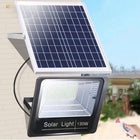


Wie hell sollte eine Solar-Sicherheitsleuchte für Garage, Einfahrt oder Seitenhof sein?

Kurzantwort: Wie hell sollte eine Solar-Sicherheitsleuchte sein?
Die passende Solar-Sicherheitsleuchte ist nicht automatisch das Modell mit der höchsten Lumenangabe. Verwenden Sie die niedrigste Leistung, bei der Stufen, Gesichter, Türen und Fahrzeugkanten klar erkennbar sind. Als praktischer Ausgangspunkt eignen sich 450–900 Lumen für einen kleinen Türbereich, 1100–1400 Lumen für einen Garageneingang oder mittelgroßen Seitenhof und etwa 2000 Lumen für eine breitere Einfahrt. Dies sind Auswahlstufen und keine baurechtlichen Vorgaben: Lichtkegel, Montagehöhe, Ausrichtung, Sensorverhalten und Solarladung sind ebenso wichtig wie die Lumenzahl.
Warum die Lumenangabe nicht alles aussagt
Lumen messen den gesamten sichtbaren Lichtstrom. Das US-Energieministerium empfiehlt, Helligkeit anhand von Lumen zu vergleichen. Die Zahl sagt jedoch nicht, wo das Licht tatsächlich auftrifft. Ein enger, gut ausgerichteter Lichtkegel kann einen Eingang besser sichtbar machen als eine leistungsstärkere Leuchte, die Licht in den Himmel, in Nachbarfenster oder auf eine ungenutzte Rasenfläche verteilt.
Leitlinien des National Park Service und von DarkSky International für verantwortungsvolle Außenbeleuchtung betonen, nur das benötigte Licht zu verwenden, es auf den Aufgabenbereich zu richten und mit Zeitschaltern oder Bewegungssensoren zu steuern. Das ist für Sicherheitslicht am Wohnhaus sinnvoll, weil starke Blendung die Lichtquelle hell erscheinen lassen, zugleich aber die Sicht in den dahinterliegenden dunkleren Bereich verschlechtern kann.
Die Aufgabe beleuchten, nicht das gesamte Grundstück
Ersetzen Sie das ungenaue Ziel „die Einfahrt heller machen“ durch eine konkrete Aufgabe: ein Schlüsselloch finden, eine Person an der Garage erkennen, beim Rückwärtsfahren einen Bordstein sehen oder ein Seitentor überwachen. Ein kleiner Eingang benötigt kontrolliertes Licht an der Tür; eine Einfahrt für zwei Fahrzeuge eventuell breitere Abdeckung oder zwei Leuchten; ein schmaler Seitenhof sorgfältige Abschirmung. Eine bessere Platzierung ist häufig nützlicher als mehr Lumen.
Das Wichtigste in Kürze
- Helligkeit nach Aufgabenbereich wählen: Türbereich, Garagenvorplatz, Einfahrt und Seitenhof benötigen nicht dieselbe Leistung.
- Die Platzierung des Lichtkegels ist entscheidend: Nutzbares Licht auf Boden und Zugängen ist wertvoller als unkontrollierte Helligkeit.
- Die Montagehöhe verändert das Ergebnis: Eine höher montierte Leuchte verteilt das Licht weiter, kann aber mehr Leistung benötigen, damit am Boden genügend Helligkeit ankommt.
- Die Solarkapazität muss zum Modus passen: Dauerhaft hohe Leistung verbraucht mehr gespeicherte Energie als bewegungsaktivierter Betrieb.
- Bewegungssteuerung verringert unnötiges Licht: Sie kann die höhere Leistung auf die Momente beschränken, in denen Personen oder Fahrzeuge den Erfassungsbereich betreten.
- Mehr ist nicht immer besser: Zu viel oder schlecht ausgerichtetes Licht kann Blendung, Lichtimmissionen auf Nachbargrundstücke und überbelichtete Kameraaufnahmen verursachen.
Fünf Faktoren für die passende Helligkeit
1. Größe und Form des Bereichs
Messen Sie von der Montagewand bis zum entferntesten Punkt, der sichtbar bleiben muss. Beachten Sie Fahrzeuge, Säulen, Ecken und Bepflanzung, die den Lichtkegel blockieren können. Eine breite Leuchte kann für eine offene Garagenwand genügen, während zwei mittelstarke Leuchten Schatten an geparkten Fahrzeugen verringern können.
2. Montagehöhe
Mit zunehmender Montagehöhe verteilt sich Licht im Allgemeinen über eine größere Fläche und ist am Boden weniger konzentriert. Für eine NoxLumin Produktfamilie von Sensor-Wandleuchten gibt der Hersteller folgende Zuordnung an: 450 Lumen bei einer Montage unter 2 m, 900 Lumen bei 2–3 m und 1100 Lumen bei einer Montage über 3 m. Behandeln Sie diese Angaben als produktspezifische Empfehlung, nicht als Regel für jede Leuchte, da sich Optik und Lichtverteilung unterscheiden.
3. Abstrahlrichtung, Abschirmung und Blendung

Richten Sie das Licht auf Weg, Tür, Tor oder Fahrzeugbereich statt in den Himmel. Prüfen Sie das Ergebnis vom Zugangsweg und von nahen Fenstern aus. Sind die LEDs auf Augenhöhe schmerzhaft sichtbar, richten Sie die Leuchte tiefer aus, verwenden eine zulässige Abschirmung oder wählen einen Modus mit geringerer Leistung.
4. Sensorreichweite und Betriebsmodus
Ein bewegungsaktivierter heller Modus reserviert Energie für erkannte Aktivität. Der Modus von gedimmt zu hell erhält ein Orientierungslicht, während Dauerlicht für längere Anwesenheit geeignet ist, aber mehr Akkukapazität beansprucht. Prüfen Sie, ob der Sensor die tatsächliche Annäherungsrichtung erfasst.
5. Sonneneinstrahlung und Akkukapazität
Schatten durch Dachüberstände, Bäume, Zäune oder Gebäude verringert die verfügbare Energie. Eine leistungsstarke Leuchte im Dauerbetrieb kann frühzeitig dunkler werden, wenn ihr Panel wenig Sonne erhält. Bevorzugen Sie an grenzwertigen Standorten einen größeren Akku, bewegungsbasierten Betrieb oder eine zuverlässig sonnige Panelposition.
Praktische Helligkeitsstufen für Wohnbereiche

| Bereich | Praktische Ausgangsstufe | Worauf zu achten ist | Wann die Leistung erhöht werden sollte |
|---|---|---|---|
| Haus- oder Seitentür | 450–900 Lumen | Kontrollierter Lichtkegel, Gesichtserkennung, geringe Blendung | Hohe Montage, dunkle Wandoberfläche oder längerer Zugangsweg |
| Einzelner Garageneingang | 900–1400 Lumen | Breiter Sensorbereich, gleichmäßiges Licht auf dem Vorplatz | Fahrzeuge blockieren den Lichtkegel oder die Leuchte muss Tür und Einfahrt erfassen |
| Schmaler Seitenhof oder Tor | 900–1400 Lumen | Nach unten gerichtet, begrenztes Streulicht, zuverlässige Erfassung | Der Durchgang ist lang oder enthält Stufen und Hindernisse |
| Breite Einfahrt oder offener Gartenrand | Etwa 2000 Lumen oder mehrere Leuchten | Gleichmäßige Abdeckung, Fernanpassung, Akkukapazität | Eine einzelne Leuchte hinterlässt dunkle Bereiche hinter Fahrzeugen oder Bepflanzung |
Diese Bereiche sind praktische Vergleichswerte und keine verbindlichen Normen. Testen Sie zuerst den niedrigsten geeigneten Modus und erhöhen Sie die Leistung nur, wenn der tatsächliche Aufgabenbereich schwer erkennbar bleibt.
Vergleich der Solar-Sicherheitsleuchten von NoxLumin
| Option | Shopdaten | Steuerung und Erfassung | Geeigneter Einsatz |
|---|---|---|---|
| Outdoor Solar LED Wall Light | 450, 900 oder 1100 Lumen; je nach Variante 1500-, 3000- oder 6000-mAh-Akku | Fünf Modi; etwa 5–10 m Erfassungsdistanz und mehr als 180° Erfassungswinkel | Auswahl der Leistung nach Montagehöhe für Tür, Garageneingang, Terrasse oder Seitenwand |
| Elegant Solar Wall Sconce | 1400 Lumen; 6000-mAh-Akku; Solarpanel mit 5 V und 6 W | Vier Modi; Bewegungserkennung über etwa 5–10 m und 180° | Garage, Veranda oder Innenhof, wo Sicherheitslicht mit einer architektonischeren Wandleuchtenform gewünscht ist |
| Solar Outdoor Waterproof Motion Sensor Light | Konfiguration mit normaler Helligkeit und 2200 mAh oder hoher Helligkeit und 6600 mAh; Varianten mit 26 × 12,5 × 12 cm und 28 × 13 × 12,5 cm. | Bewegungssensor, Fernbedienung, Dimmung und wählbare Lichtfarbe mit 3000, 4000 oder 6000 K | Beleuchtung von Wand, Tor, Zaun, Eingang, Hausnummer oder Terrasse, wenn einstellbare Helligkeit und Lichtfarbe nützlich sind; tatsächliche Abdeckung nach der Montage prüfen |
| 108 COB Solar Sensor Street Lamp | 108-COB-Lichtquelle, Schutzart IP65 und polykristallines Solarpanel. | Fernbedienung, Mikrowellenerkennung von Personen und drei Lichtmodi | Gartenwege, Terrassen, Seiteneingänge, Schuppen oder Versorgungsbereiche, wo Fernanpassung und bewegungsbasierter Betrieb bevorzugt werden |
| 112 LED Solar Wall Security Light | 112 LEDs, 2200-mAh-Akku, monokristallines Panel mit 1,5 W und 5 V, Schutzart IP65, 4–6 Stunden Ladezeit und angegebene Betriebsdauer von 8–12 Stunden. | Vier Modi; PIR-Erfassung über 120° und etwa 5–8 m; Varianten mit 3000 oder 6500 K | Eingänge, Garagenwände, Seitendurchgänge, Zäune und kleinere Einfahrten, wo ein definierter Sensorbereich und wählbare Lichtfarbe wichtig sind |
Outdoor Solar LED Wall Light


Geeignete und weniger geeignete Einsatzfälle
| Geeignet | Warum es funktioniert | Weniger geeignet | Warum neu zu prüfen |
|---|---|---|---|
| Garageneingänge mit direkter Sonneneinstrahlung | Wandmontage, Bewegungsaktivierung und freie Zugangswege unterstützen einen zuverlässigen Betrieb | Stark verschattete Wände unter Bäumen oder Dachüberständen | Das integrierte Panel erhält möglicherweise nicht genügend Licht zum Laden |
| Seitentore und schmale Durchgänge | Gezieltes Bewegungslicht macht Stufen, Schlösser und Hindernisse sichtbar | Standorte gegenüber einem nahen Nachbarfenster | Hohe Leistung oder schlechte Ausrichtung kann Licht auf das Nachbargrundstück werfen |
| Einfahrtsränder und Garagenvorplätze | Mittlere bis hohe Leistung kann die Sicht für Fahrzeuge und Fußgänger verbessern | Große Parkflächen, die gleichmäßige, nach Vorschriften geplante Beleuchtung benötigen | Wandleuchten für Wohnhäuser bieten möglicherweise keine ausreichende Verteilung oder dokumentierte photometrische Daten |
Häufige Fehler
- Nur nach Lumenangabe kaufen: Wer Lichtkegel, Höhe und Sensorrichtung ignoriert, kann wichtige Bereiche dunkel lassen.
- Leuchte auf Augenhöhe nach außen richten: Das erzeugt Blendung und kann die nutzbare Sicht verschlechtern.
- Solarpanel im Schatten montieren: Hohe Leistung nützt nichts, wenn der Akku nicht ausreichend geladen wird.
- Standardmäßig dauerhaft hohe Leistung verwenden: Die gespeicherte Energie kann vor dem Morgen aufgebraucht sein, besonders im Winter oder bei bewölktem Wetter.
- Erwarten, dass eine Leuchte um Fahrzeuge herum alles erfasst: Autos, Säulen und Sträucher erzeugen Schatten; zwei schwächere Leuchten können wirksamer sein.
- Nachttest auslassen: Prüfen Sie die Montage von Einfahrt, Tür, Gehweg und Grundstücksgrenze aus.
Checkliste für Solar-Sicherheitsleuchten am Wohnhaus
- Genaue Aufgabe definieren: Türzugang, Gesichtserkennung, sichere Fortbewegung, Fahrzeugmanöver oder Wahrnehmung des Grundstücksrands.
- Montagehöhe und den entferntesten Punkt messen, der nutzbares Licht benötigt.
- Direkte Sonneneinstrahlung am Panelstandort über den Tagesverlauf prüfen.
- Niedrigste praktikable Lumenstufe wählen und Form des Lichtkegels kontrollieren.
- Sensorreichweite, Annäherungswinkel und Betriebsmodus bestätigen.
- Nach unten ausrichten und direkte LED-Blendung aus normalen Sichtlinien fernhalten.
- Schatten hinter Fahrzeugen, Pfosten und Bepflanzung testen.
- Nachbarfenster prüfen und die Leistung nach mehreren bewölkten Tagen erneut beurteilen.
Empfohlene Optionen von NoxLumin
Für einen kleinen Eingang bietet die Outdoor Solar LED Wall Light with Motion Sensor bestätigte Konfigurationen mit 450, 900 und 1100 Lumen sowie entsprechend gestaffelten Akkukapazitäten. Für einen mittelgroßen Garageneingang oder eine Veranda verwendet die Elegant 1,400-Lumen Solar Wall Sconce einen 6000-mAh-Akku, ein Panel mit 5 V und 6 W, vier Modi und eine breite Bewegungserfassung. Für anpassbare Beleuchtung an Wand, Tor, Hausnummer oder Terrasse bietet die Solar Outdoor Waterproof Motion Sensor Light Konfigurationen mit 2200 mAh bei normaler und 6600 mAh bei hoher Helligkeit, Dimmung per Fernbedienung und wählbare Lichtfarben mit 3000, 4000 oder 6000 K. Die 108 COB Solar Sensor Street Lamp ist eine IP65-Option mit Fernbedienung, Mikrowellen-Bewegungserkennung, polykristallinem Solarpanel und drei Modi. Für eine kleinere Wand, einen Eingang, eine Garage oder einen Seitendurchgang bietet die 112 LED Solar Wall Security Light einen 2200-mAh-Akku, ein monokristallines Panel mit 1,5 W und 5 V, vier Modi, 120°-PIR-Erfassung über etwa 5–8 m sowie warmweiße oder kaltweiße Varianten. Weitere Optionen finden Sie in der Kollektion Solar Flood & Security Lights.
Nach der Auswahl einer Leuchte hilft der separate Ratgeber zur Montagehöhe von Solar-Wandleuchten mit Bewegungssensor bei der Feinplanung. Prüfen Sie außerdem, ob Solarleuchten mit Bewegungssensor die ganze Nacht eingeschaltet bleiben sollten , bevor Sie einen Dauerlichtmodus wählen.
FAQ
Wie viele Lumen sind für eine Solar-Sicherheitsleuchte sinnvoll?
Sind 2000 Lumen für ein Wohnhaus zu hell?
Erfordert eine höhere Montage mehr Lumen?
Sind bewegungsaktivierte Solarleuchten für Sicherheit besser als Modelle von der Dämmerung bis zum Morgengrauen?
Ist Warmweiß oder Kaltweiß für eine Sicherheitsleuchte im Freien besser?
Funktionieren Solar-Sicherheitsleuchten im Winter oder bei bewölktem Wetter?
Ist eine helle Sicherheitsleuchte besser als mehrere kleinere?
Quellen
Mehr NoxLumin-Ratgeber auf Google entdecken
Füge NoxLumin als bevorzugte Quelle hinzu, damit Google dir häufiger unsere Ratgeber zur Außenbeleuchtung in der Suche und in KI-Erlebnissen anzeigen kann.


Einen Kommentar hinterlassen