


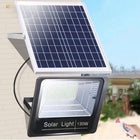


Können Solarleuchten mit Bewegungssensor die ganze Nacht eingeschaltet bleiben?

Einige Solarleuchten mit Bewegungssensor können die ganze Nacht mit geringer Leistung oder in einem gedimmten Bereitschaftsmodus leuchten. Es ist jedoch nicht zu erwarten, dass sie von der Dämmerung bis zum Morgengrauen durchgehend mit maximaler Helligkeit arbeiten. Ob eine Leuchte die ganze Nacht durchhält, hängt von Akkukapazität, Sonneneinstrahlung auf das Solarpanel, Jahreszeit, Wetter, gewähltem Modus und der Häufigkeit ab, mit der Bewegungen die hellere Stufe auslösen. Für eine Garagenseitentür, Veranda oder Terrasse ist ein Modus von gedimmt zu hell oder ein reiner Bewegungsmodus meist praktischer als dauerhafte volle Helligkeit.
Warum „die ganze Nacht eingeschaltet“ Unterschiedliches bedeuten kann
Hausbesitzer meinen mit „die ganze Nacht eingeschaltet“ oft drei verschiedene Verhaltensweisen. Manche wünschen bis zum Sonnenaufgang ein schwaches Orientierungslicht. Andere möchten, dass die Leuchte ausgeschaltet bleibt und nur bei Annäherung auf volle Helligkeit schaltet. Wieder andere erwarten acht Stunden oder länger durchgehend maximale Leistung.
Diese Ziele stellen sehr unterschiedliche Anforderungen an eine Solarleuchte. Eine niedrige Bereitschaftsstufe verbraucht deutlich weniger gespeicherte Energie als dauerhafte hohe Leistung. Ein reiner Bewegungsmodus kann noch mehr Energie sparen, weil die helleren LEDs nur bei Aktivität leuchten. Entscheiden Sie vor der Moduswahl, ob die Leuchte der Orientierung, Abschreckung, Sicht bei Tätigkeiten oder einer dekorativen Atmosphäre dienen soll.
Die Hinweise des US-Energieministeriums zu solarbetriebener Außenbeleuchtung erläutern, dass die angegebene nächtliche Laufzeit von bestimmten Sonnenlichtbedingungen abhängt. Schatten, bewölktes Wetter, jahreszeitliche Veränderungen und unzureichende Ladung können die Betriebsdauer einer Solarleuchte nach Einbruch der Dunkelheit verkürzen.
Das Wichtigste in Kürze
- Ein niedriger oder gedimmter Bereitschaftsmodus ist für eine Beleuchtung über die ganze Nacht realistischer als maximale Helligkeit.
- Der reine Bewegungsmodus ist für Garageneingänge und Seitentüren meist die energieeffizienteste Wahl.
- Die Akkukapazität ist wichtig, doch ein großer Akku kann ein ungünstig platziertes oder verschattetes Solarpanel nicht ausgleichen.
- Winternächte sind länger, während die Tage zum Laden kürzer sein können; die Laufzeit kann deshalb saisonal sinken.
- Wählen Sie die niedrigste Helligkeit und die kürzeste Phase mit hoher Leistung, die den tatsächlichen Sicherheits- oder Orientierungsbedarf noch erfüllt.
- Testen Sie den gewählten Modus nach mehreren repräsentativen Tagen und nicht nur nach einem ungewöhnlich sonnigen Nachmittag.
Wie unterscheiden sich gängige Betriebsmodi von Solarleuchten mit Bewegungssensor?
| Beleuchtungsmodus | Verhalten bei Nacht | Geeigneter Einsatz | Energiebedarf |
|---|---|---|---|
| Nur Bewegung | Die Leuchte bleibt ausgeschaltet, bis eine Bewegung erkannt wird, und schaltet dann auf hohe Leistung. | Garagenseitentüren, Tore, Lagerbereiche und selten genutzte Zugänge | Bei wenig Bewegung am niedrigsten |
| Von gedimmt zu hell | Ein schwaches Hintergrundlicht bleibt eingeschaltet und wird bei erkannter Bewegung heller. | Veranden, Wege in Eingangsnähe und Terrassen, die eine grundlegende Orientierung benötigen | Mittel |
| Dauerhaft niedrig | Die Leuchte liefert eine reduzierte Leistung, ohne auf eine Bewegung zu warten. | Sanfte Begrenzungsbeleuchtung und Bereiche, in denen den ganzen Abend ein sichtbares Licht gewünscht ist | Je nach Stufe mittel bis hoch |
| Dauerhaft mittel oder zeitgesteuert | Die Leuchte bleibt für einen festgelegten Zeitraum oder bis zum Verbrauch der gespeicherten Energie auf einer festen Stufe. | Essen im Freien, kurze abendliche Arbeiten und geplante Terrassennutzung | Höher |
| Dauerhaft maximal | Die LEDs bleiben auf ihrer höchsten Leistungsstufe. | Kurze Arbeitsphasen statt regelmäßiger Nutzung von der Dämmerung bis zum Morgengrauen | Am höchsten |
Wovon hängt es ab, ob die Leuchte bis zum Morgengrauen durchhält?
Sonneneinstrahlung auf das Solarpanel

Das Solarpanel muss tagsüber genügend Energie sammeln, um den gewählten Nachtmodus zu versorgen. Ein integriertes Panel unter einem tiefen Verandadach, dichtem Blätterdach oder nach Norden gerichteten Überstand kann zwar helles Tageslicht, aber nicht genügend direkte Sonne für eine vollständige Ladung erhalten.
Bei einem kurzen Abendtest kann eine Leuchte normal funktionieren und nach mehreren bewölkten Tagen dennoch vor dem Morgen ausgehen. Beurteilen Sie den Standort des Panels zu verschiedenen Tageszeiten und in der Jahreszeit, in der die Leuchte am stärksten genutzt wird.
Akkukapazität
Ein größerer Akku speichert mehr Energie, doch diese Kapazität ist nur nützlich, wenn das Panel ihn wieder aufladen kann. Für die in diesem Ratgeber behandelte NoxLumin Solar-Wandleuchte sind ein 6000-mAh-Akku und ein Solarpanel mit 5 V und 6 W angegeben. Diese Daten bieten mehr Potenzial zur Energiespeicherung als eine kleine dekorative Markierungsleuchte, sind aber keine uneingeschränkte Garantie für eine Laufzeit über die gesamte Nacht.
Helligkeitsstufe
Eine höhere Lichtleistung verbraucht die gespeicherte Energie schneller. Eine Leuchte mit 1400 Lumen kann an einer Garage oder einem Eingang kurzzeitig starke Sicht bieten. Die höchste Stufe dauerhaft zu nutzen ist jedoch eine andere Betriebsbedingung als ein schwaches Hintergrundlicht aufrechtzuerhalten. Am effizientesten ist es, die maximale Leistung Bewegungsereignissen vorzubehalten.
Häufigkeit der Bewegungsauslösung
Eine Leuchte an einer ruhigen Seitentür wird möglicherweise nur wenige Male pro Nacht ausgelöst. Dieselbe Leuchte kann wiederholt aktiviert werden, wenn sie auf einen Gehweg, bewegte Äste, Haustiere, vorbeifahrende Fahrzeuge oder eine häufig genutzte Einfahrt gerichtet ist. Mehr Aktivierungen mit hoher Leistung verkürzen im Allgemeinen die verbleibende Laufzeit.
Jahreszeit und Wetter
Im Winter treffen längere Nächte auf möglicherweise kürzere oder weniger wirksame Ladezeiten. Das US-Energieministerium weist darauf hin, dass die Betriebsdauer solarbetriebener Außenleuchten im Winter erheblich schwanken kann und Schatten von Bäumen oder Gebäuden das Laden und die Leistung des Akkus beeinflusst.
Ist Beleuchtung über die ganze Nacht die beste Wahl?
Nicht immer. Die Beleuchtung sollte zum Zweck des Standorts passen. Ein Garageneingang, der nur bei Ankunft einer Person genutzt wird, benötigt normalerweise nicht die ganze Nacht maximale Helligkeit. Eine niedrige Bereitschaftsstufe oder ein reiner Bewegungsmodus kann nützliche Sicht bieten, unnötiges Streulicht verringern und gespeicherte Energie sparen.
Die Grundsätze von DarkSky International für verantwortungsvolle Außenbeleuchtung empfehlen, Außenlicht zweckmäßig, gezielt, nicht heller als nötig, steuerbar und nach Möglichkeit in einer wärmeren Lichtfarbe einzusetzen. Bewegungserkennung, Zeitschalter und Dimmung sparen daher nicht nur Akkuenergie, sondern helfen auch, unnötige nächtliche Beleuchtung zu begrenzen.
Geeignete und ungeeignete Einsatzfälle
| Einsatzfall | Empfohlene Vorgehensweise | Begründung |
|---|---|---|
| Garagenseiteneingang, der nachts wenige Male genutzt wird | Nur Bewegung oder von gedimmt zu hell | Spart Energie und liefert starkes Licht, sobald sich jemand nähert. |
| Veranda, an der abends ein sichtbares Orientierungslicht gewünscht ist | Dauerhaft niedrig oder von gedimmt zu hell | Erhält die Orientierung, ohne ständig die maximale Leistung zu nutzen. |
| Terrasse für ein geplantes Abendessen | Zeitgesteuerte mittlere Leistung | Passt zu einem begrenzten Nutzungszeitraum, statt bis zum Sonnenaufgang zu laufen. |
| Stark frequentierte Einfahrt | Sorgfältig ausgerichteter Bewegungsmodus | Verringert wiederholte Fehlauslösungen und unnötiges Streulicht. |
| Stark verschattete Wand unter einem Dach | Solarsystem mit separatem Panel oder kabelgebundene Leuchte | Ein integriertes Panel erhält möglicherweise nicht genug Sonne für einen zuverlässigen Nachtbetrieb. |
| Standort, der die ganze Nacht garantiert volle Helligkeit benötigt | Fachgerecht ausgelegtes kabelgebundenes oder größeres autarkes System | Eine kompakte Solar-Wandleuchte bleibt von den täglichen Ladebedingungen abhängig. |
Häufige Fehler, die die Laufzeit verkürzen
- Maximale Leistung als Standardeinstellung verwenden: Hohe Helligkeit verbraucht die gespeicherte Energie schneller als niedrige oder bewegungsgesteuerte Modi.
- Das Panel unter einem Dachüberstand montieren: Der Wetterschutz kann zugleich das zum Laden benötigte Sonnenlicht blockieren.
- Den Sensor auf Verkehr oder bewegte Pflanzen richten: Unnötige Aktivierungen können die Leuchte auf hoher Leistung halten.
- Nur nach einem sonnigen Tag testen: Ein zuverlässiger Standort sollte auch nach typischen bewölkten oder kürzeren Tagen beurteilt werden.
- Die Reflexion der Oberfläche ignorieren: Helle Fassaden und Beton benötigen möglicherweise weniger Lichtleistung als dunkler Ziegel, Mulch oder Asphalt.
- Eine Sicherheitsleuchte als dekorative Flächenbeleuchtung verwenden: Akku und Optik können für zeitweilige hohe Leistung statt für dauerhafte Flächenbeleuchtung ausgelegt sein.
- Das Solarpanel verschmutzt lassen: Staub, Blätter, Schnee und Ablagerungen können den Lichteinfall auf das Panel verringern.
Praktische Checkliste zur Moduswahl
- Festlegen, ob der Bereich Orientierungs-, Sicherheits-, Stimmungs- oder Arbeitslicht benötigt.
- Prüfen, ob das Solarpanel die empfohlene Tageslichteinstrahlung erhält.
- Für wenig frequentierte Türen und Tore den reinen Bewegungsmodus verwenden.
- Den Modus von gedimmt zu hell wählen, wenn ein schwaches Hintergrundlicht hilfreich ist.
- Dauerhafte mittlere oder maximale Leistung auf begrenzte Aktivitätszeiten beschränken.
- Den Sensor von Straßen, Ästen und Bereichen mit irrelevanter Bewegung weg ausrichten.
- Die Leuchte nach bewölktem Wetter sowie in der kälteren, dunkleren Jahreszeit kontrollieren.
- Helligkeit verringern oder den Zeitrahmen verkürzen, wenn die Leuchte früher als benötigt ausgeht.
Eine passende Option von NoxLumin

Die NoxLumin Elegant Solar Wall Sconce Light eignet sich für Garage, Veranda, Terrasse und Innenhof, wenn zwischen bewegungsgesteuerter und dauerhafter Beleuchtung gewählt werden soll. Angegeben sind 1400 Lumen, 80 LEDs, ein 6000-mAh-Akku, ein Solarpanel mit 5 V und 6 W, eine Ladezeit von 6 bis 8 Stunden, Schutzart IP65 sowie ein 180-Grad-Bewegungssensor mit einer angegebenen Erfassungsdistanz von 5 bis 10 m.


Zu den verfügbaren Modi gehören bewegungsaktivierte hohe Leistung, ein Wechsel von gedimmt zu hell, dauerhaft niedrige Leistung bei 25 % sowie dauerhaft mittlere Leistung bei 50 % mit einem Vier-Stunden-Timer. Die beiden aktuellen Lichtfarbenvarianten sind erhältlich, doch der passende Modus hängt weiterhin von Sonneneinstrahlung, Nutzungshäufigkeit, Jahreszeit und der benötigten Dauerbeleuchtung ab.
Für umfassendere Produktvergleiche besuchen Sie die Kollektion Solar Wall Lights oder die Kollektion Motion Sensor Solar Lights. Hinweise zur Platzierung finden Sie im Ratgeber zur Montagehöhe von Solar-Wandleuchten mit Bewegungssensor.
Häufig gestellte Fragen
Können Solarleuchten mit Bewegungssensor dauerhaft eingeschaltet bleiben?
Läuft eine Solar-Wandleuchte mit 1400 Lumen die ganze Nacht bei voller Helligkeit?
Welcher Modus eignet sich am besten für eine Garagenseitentür?
Leuchten Solar-Wandleuchten im Winter weniger lange?
Spart Bewegungserkennung mehr Akku als ein Dauerlichtmodus?
Kann eine Solar-Wandleuchte mit integriertem Panel unter einem Verandadach laden?
Ist warmes oder kühles Licht für dauerhafte Außenbeleuchtung besser?
Mehr NoxLumin-Ratgeber auf Google entdecken
Füge NoxLumin als bevorzugte Quelle hinzu, damit Google dir häufiger unsere Ratgeber zur Außenbeleuchtung in der Suche und in KI-Erlebnissen anzeigen kann.


Einen Kommentar hinterlassen