


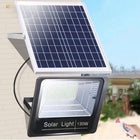


Wie weit sollten Solarzaunleuchten auseinanderstehen? Abstand und Packungsgröße

Kurzantwort: Für die meisten Zäune an Wohnhäusern beginnen Sie mit einem Abstand von etwa 1,83 bis 2,44 m (6 bis 8 Fuß) zwischen den Solarzaunleuchten. Verringern Sie ihn auf 1,22 bis 1,83 m (4 bis 6 Fuß), wenn rund um Terrasse, Deck, Tor oder Sitzbereich ein gleichmäßigeres Leuchten gewünscht ist. Erhöhen Sie ihn auf 2,44 bis 3,05 m (8 bis 10 Fuß), wenn die Leuchten nur eine lange Begrenzung markieren sollen. Der beste endgültige Abstand hängt von Helligkeit, Montagehöhe, Zaunfarbe, nahen Hindernissen und der direkten Sonneneinstrahlung auf jedes Solarpanel ab.
Warum der Abstand von Solarzaunleuchten wichtig ist
Solarzaunleuchten sind gewöhnlich Akzent- und keine primären Sicherheitsleuchten. Sie sollen eine Begrenzung sichtbar machen, einen visuellen Rhythmus schaffen, Terrasse oder Deck einladender wirken lassen und vollständig dunkle Abschnitte an Zaun oder Gartenmauer verringern.
Stehen die Leuchten zu weit auseinander, entstehen möglicherweise einzelne helle Flecken mit großen dunklen Lücken dazwischen. Bei zu engem Abstand kann der Bereich überbeleuchtet wirken, unnötig blenden und mehr Leuchten erfordern, als tatsächlich benötigt werden.
Der Abstand bestimmt außerdem die passende Packungsgröße. Wenn Sie den Zaun messen und vor der Bestellung ein Zielintervall festlegen, können Sie eine Anordnung mit 4, 6, 8 oder 12 Leuchten leichter wählen, ohne einen unvollständigen Abschnitt zu hinterlassen.
Das Wichtigste in Kürze
- Für die meisten Zaunbeleuchtungen am Wohnhaus eignen sich 1,83 bis 2,44 m (6 bis 8 Fuß) als praktischer Ausgangsabstand.
- Für ein gleichmäßigeres dekoratives Leuchten rund um Terrassen, Tore, Treppen und Sitzbereiche verwenden Sie 1,22 bis 1,83 m (4 bis 6 Fuß).
- Bei langen Begrenzungszäunen, an denen jede Leuchte hauptsächlich als Orientierungspunkt dient, verwenden Sie 2,44 bis 3,05 m (8 bis 10 Fuß).
- Messen Sie nur die Zaunabschnitte, die tatsächlich beleuchtet werden sollen, und schließen Sie unbeleuchtete Tore, Versorgungsbereiche und stark verschattete Abschnitte aus.
- Prüfen Sie die Anordnung bei Dunkelheit, bevor Sie alle Montagelöcher bohren.
- Erwarten Sie nicht, dass eine dekorative Zaunleuchte mit 60 Lumen eine Sicherheitsleuchte mit Bewegungssensor oder einen Flutstrahler ersetzt.
Wie viele Solarzaunleuchten benötigen Sie?

Eine einfache Planungsschätzung lautet:
Leuchtenzahl = Zaunlänge ÷ Zielabstand, aufgerundet
Ein 15,24 m (50 Fuß) langer Zaun geteilt durch einen Zielabstand von 2,13 m (7 Fuß) ergibt beispielsweise 7,14. Aufgerundet spricht das für acht Leuchten. Werden die erste und letzte Leuchte jeweils etwa einen halben Abstand von den Enden entfernt platziert, können acht Leuchten über den gesamten Abschnitt ein ausgewogenes Muster ergeben.
Diese Berechnung ist ein Ausgangspunkt und keine allgemeingültige Regel. Zaunpfosten, Tore, Ecken, Bäume, Fallrohre und Schattenbereiche können Anpassungen der Positionen erfordern.
| Zaunlänge | Praktische Ausgangsanordnung | Ungefähre optische Wirkung |
|---|---|---|
| 6,10–8,53 m (20–28 Fuß) | 4 Leuchten | Geeignet für einen kurzen Terrassenzaun, Deckrand oder Torbereich |
| 9,14–12,80 m (30–42 Fuß) | 6 Leuchten | Ausgewogene Akzentbeleuchtung für einen mittelgroßen Gartenabschnitt |
| 12,80–17,68 m (42–58 Fuß) | 8 Leuchten | Gleichmäßigere Abdeckung für einen längeren Zaun oder eine Terrassenbegrenzung |
| 18,29–25,60 m (60–84 Fuß) | 12 Leuchten | Einheitlicher visueller Rhythmus entlang eines langen Zauns am Wohnhaus |
Berechnen Sie bei einem unregelmäßigen Zaun jeden geraden Abschnitt getrennt. So verhindert eine kurze Seitenwand, ein Tor oder eine Ecke, dass der Abstand im Hauptabschnitt gestört wird.
Empfohlener Abstand nach Beleuchtungsziel
| Beleuchtungsziel | Empfohlener Ausgangsabstand | Zu erwartende Wirkung |
|---|---|---|
| Durchgängige Terrassenatmosphäre | 1,22–1,83 m (4–6 Fuß) | Kleinere dunkle Lücken und stärkerer dekorativer Rhythmus |
| Allgemeine Zaunbeleuchtung im Garten | 1,83–2,44 m (6–8 Fuß) | Ausgewogene Mischung aus beleuchteten und dunkleren Abschnitten |
| Lange Begrenzung markieren | 2,44–3,05 m (8–10 Fuß) | Einzelne Orientierungspunkte statt durchgängiger Beleuchtung |
| Tor, Stufe oder Übergang | Lokal 1,22–1,83 m (4–6 Fuß) | Sichtbarere Kanten dort, wo Personen die Richtung wechseln |
Diese Bereiche gelten für dekorative Zaunleuchten. Eine Sicherheitszone an Garage, Einfahrt oder Seiteneingang benötigt einen anderen Plan auf Grundlage höherer Leistung, Sensorabdeckung, Montagewinkel und der sichtbar zu machenden Fläche.
Welche Faktoren sollten den Abstand verändern?
1. Helligkeit und Lichtkegel
Eine hellere Leuchte oder ein breiterer, nach unten gerichteter Lichtkegel kann meist weiter auseinanderstehen als eine kleine Markierungsleuchte. Lumen allein beschreiben die optische Wirkung jedoch nicht vollständig. Zwei Leuchten mit derselben Leistung können je nach Linse, Montagewinkel und Abstand zur Oberfläche unterschiedliche Muster erzeugen.
Eine Zaunleuchte mit 60 Lumen eignet sich für Akzentlicht, die Kennzeichnung von Kanten und eine angenehme Terrassenatmosphäre. Sie ist kein Ersatz für eine leistungsstarke Sicherheitsleuchte.
2. Montagehöhe
Eine höher montierte Leuchte kann ihren Lichtkegel über einen größeren Zaunabschnitt verteilen. Bei übermäßiger Höhe kann die beleuchtete Fläche jedoch schwach wirken. Eine zu niedrige Montage erzeugt möglicherweise kleine, konzentrierte Lichtbereiche und bringt die Leuchte in Reichweite von Gartengeräten oder Personenverkehr.
Halten Sie die Montagehöhe gleich, sofern sich die Zaunhöhe nicht ändert. Eine einheitliche horizontale Linie wirkt gewöhnlich sauberer als Leuchten auf jeweils unterschiedlicher Höhe.
3. Zaunfarbe und Oberflächenstruktur
Weißes Vinyl, heller Stein und glatte gestrichene Flächen reflektieren mehr Licht als dunkles Holz oder rauer Ziegel. Eine reflektierende Oberfläche kann größere Abstände erlauben, während ein dunkler oder stark strukturierter Zaun für eine ähnliche Wirkung möglicherweise engere Abstände benötigt.
Prüfen Sie die Wirkung nachts, statt davon auszugehen, dass die Zaunfarbe bei Tageslicht das Endergebnis vorhersagt.
4. Verfügbares Sonnenlicht
Jedes integrierte Solarpanel benötigt tagsüber verwertbares Licht. Ein perfektes nächtliches Muster funktioniert nicht gut, wenn die Hälfte der Leuchten durch Bäume, Dachüberstände, Nachbargebäude oder dichte Kletterpflanzen verschattet wird.
Erhält ein Zaunabschnitt wenig Sonne, lassen Sie ihn gegebenenfalls unbeleuchtet oder ändern Sie den Plan, statt dort nur wegen mathematischer Symmetrie Leuchten zu montieren.
5. Tore, Ecken, Stufen und Sitzbereiche
Der Abstand muss nicht auf dem gesamten Grundstück identisch sein. Engere Platzierung kann an Toren, Ecken, Treppenübergängen, Grillbereichen oder Terrasseneingängen sinnvoll sein. An einer selten genutzten entfernten Begrenzung kann ein größerer Abstand ausreichen.
6. Nachbarn und nahe Fenster
Leuchten sollten so positioniert werden, dass ihr Licht auf dem vorgesehenen Zaun-, Deck- oder Terrassenbereich bleibt. DarkSky International empfiehlt zweckmäßige, gezielte, nicht hellere als notwendige, steuerbare und nach Möglichkeit warmfarbige Beleuchtung. Das US-Energieministerium nennt außerdem Anzahl, Höhe, Winkel und Intensität der Leuchten als Faktoren, die Außenblendung beeinflussen.
Weniger, sorgfältig platzierte Leuchten können ein besseres Ergebnis liefern als zusätzliche Leuchten ohne Rücksicht auf Richtung und Blendung.
Praktische Methode vor dem Bohren

- Jeden Zaunabschnitt messen, der tatsächlich beleuchtet werden soll.
- Ausgangsabstand danach wählen, ob das Ziel eine durchgängige Atmosphäre, allgemeines Akzentlicht oder eine Begrenzungsmarkierung ist.
- Vorläufige Positionen mit ablösbarem Klebeband markieren, statt sofort zu bohren.
- Leuchten an den Markierungen platzieren und das Muster bei Dunkelheit testen.
- Auf große dunkle Lücken, direkte Blendung, Reflexionen in Fenstern und tagsüber verschattete Panels achten.
- Positionen vor der endgültigen Schraubmontage anpassen.
Testen Sie bei langen Zäunen zunächst vier Leuchten an einem repräsentativen Abschnitt. Das liefert nützlichere Informationen als die komplette Montage allein anhand einer Messung bei Tageslicht.
Geeignete und weniger geeignete Anwendungen
| Einsatzfall | Gut geeignet? | Begründung |
|---|---|---|
| Atmosphäre am Gartenzaun | Ja | Erzeugt eine sichtbare Begrenzung und einen dekorativen Rhythmus |
| Akzente an Deckgeländer oder Terrassenmauer | Ja | Kompakte Wandleuchten können den Rand eines Aufenthaltsbereichs im Freien markieren |
| Dekoration einer Gartenmauer | Ja | Warmweißes oder RGB-Licht schafft ohne Verkabelung optische Akzente |
| Farbe für Feiertage und Partys | Ja | Der RGB-Modus kann gelegentlich dekorative Farbe liefern |
| Primäre Sicherheit an der Einfahrt | Nein | Dekorative Zaunleuchten bieten nicht die Leistung oder Sensorabdeckung einer Sicherheitsleuchte |
| Stark verschatteter, nach Norden gerichteter Zaun | Vielleicht | Die nächtliche Laufzeit kann sinken, wenn die Solarpanels nicht wirksam laden können |
| Primäre Wegbeleuchtung | Vielleicht | Spezielle Wegeleuchten beleuchten die Lauffläche gewöhnlich direkter |
Häufige Fehler beim Abstand von Solarzaunleuchten
- Packung vor dem Messen kaufen: Die gewählte Menge kann den letzten Zaunabschnitt unvollständig lassen oder ungleichmäßige Abstände erzwingen.
- Überall denselben Abstand verwenden: Tore, Terrassen, Stufen, Ecken und entfernte Begrenzungen benötigen nicht immer dieselbe Dichte.
- Sonneneinstrahlung ignorieren: Eine symmetrische Anordnung kann dennoch ungleichmäßig funktionieren, wenn mehrere Panels im Schatten bleiben.
- Leistung einer Sicherheitsleuchte erwarten: Dekorative Leuchten mit 60 Lumen sind für Atmosphäre und Begrenzungsmarkierung gedacht, nicht für großflächige Überwachungsbeleuchtung.
- Alles vor einem Nachttest montieren: Überlappende Lichtbereiche und dunkle Lücken sind bei Tageslicht schwer zu beurteilen.
- Licht auf Nachbargrundstücke richten: Schlechte Platzierung kann blenden oder unerwünschte Lichtimmissionen verursachen.
- Montagehöhen versehentlich mischen: Ungleiche Höhen lassen die Anordnung unordentlich wirken, selbst wenn der horizontale Abstand stimmt.
Empfohlene NoxLumin Option
Die NoxLumin 60LM Dual-Mode Solar Fence Lights sind für Zäune, Decks, Terrassen, Wege und Gartenmauern ausgelegt. Jede Leuchte bietet Warmweiß und einen dynamischen RGB-Modus, Schraubmontage, automatischen Betrieb von der Dämmerung bis zum Morgengrauen, Schutzart IP65 sowie ein kompaktes Gehäuse von 12 × 7,5 cm (0,39 × 0,25 Fuß).


Die angegebene Ladezeit beträgt bei geeigneter Sonneneinstrahlung 4–6 Stunden, die Betriebsdauer nach vollständiger Ladung mehr als 10 Stunden. Bei begrenzter Sonne kann die tatsächliche Laufzeit kürzer sein, besonders unter Bäumen, Dachüberständen oder im Winter.
Warmweiß ist der praktischere Alltagsmodus für entspannte Gartennutzung. RGB eignet sich eher für Partys, Feiertage und dekorative Anlässe. Einen ausführlicheren Vergleich finden Sie unter Warmweiße oder RGB-Solarzaunleuchten.
Bei einem Vergleich mit anderen wandmontierten Optionen für den Außenbereich helfen außerdem Wall Decorative Solar Lights und Outdoor Lights.
Abschließende Checkliste zur Platzierung
- Nutzbare Zaunlänge messen.
- Mit einem Zielabstand von 1,83 bis 2,44 m (6 bis 8 Fuß) beginnen.
- An Toren, Terrassen und Übergängen engere Abstände verwenden.
- Direkte Sonneneinstrahlung am Tag an jeder geplanten Position bestätigen.
- Montagehöhe einheitlich halten.
- Ablösbare Markierungen verwenden und die Anordnung bei Dunkelheit testen.
- Auf Blendung und Licht in Nachbarfenstern prüfen.
- Sicherstellen, dass die Montagefläche Schrauben sicher aufnehmen kann.
- Bei vorrangiger Überwachung von Einfahrt oder Garage stattdessen eine Sicherheitsleuchte verwenden.
FAQ
Wie weit sollten Solarzaunleuchten auseinanderstehen?
Wie viele Solarzaunleuchten benötige ich für einen 15,24 m (50 Fuß) langen Zaun?
Sind Solarzaunleuchten mit 60 Lumen hell genug?
In welcher Höhe sollten Solarzaunleuchten montiert werden?
Können Solarzaunleuchten auf Holz, Vinyl, Ziegel oder Metall montiert werden?
Müssen Solarzaunleuchten an Toren und Ecken gleichmäßig verteilt sein?
Verkürzt ein verschatteter Zaun die Laufzeit von Solarzaunleuchten?
Mehr NoxLumin-Ratgeber auf Google entdecken
Füge NoxLumin als bevorzugte Quelle hinzu, damit Google dir häufiger unsere Ratgeber zur Außenbeleuchtung in der Suche und in KI-Erlebnissen anzeigen kann.


Einen Kommentar hinterlassen